
“What should I have to eat?” It’s a question most of us ask ourselves multiple times a day, and answering it so often can lead to decision fatigue, followed by impulsive and often poor or expensive food choices. But what if you only had to answer it once a day, or better yet, once a week? It’s possible with better meal planning and preparation. However, when considering meal prepping and planning, many people get overwhelmed and understandably so, as most people believe meal planning and prep involves spending an entire Sunday in the kitchen cooking 21 identical meals - 3 for each day of the week. This is not the suggested strategy, especially when getting started.
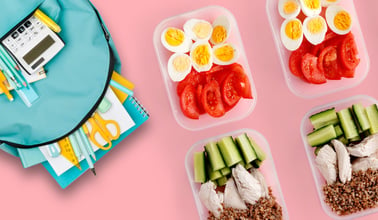 Instead, effective meal planning is about creating a simple system that reduces those day-to-day decisions while still allowing for some flexibility based on your schedule and individual needs and preferences. It’s best to start small, such as with breakfast for the entire week or with just 2 days of complete meal prep per week. Additionally, rather than preparing every single meal in advance, some have more success by preparing single ingredients or meal components that can be mixed and matched throughout the week to create a balanced meal, such as pre-cooking two or three different types of proteins, grains, and vegetables, which can be varied throughout the week based on preferences and schedule each day. Pre-cooked and no-cook staples can be kept on hand for creating quick meals in a pinch, rather than in advance. Here are some suggestions for what to keep on hand for last-minute meals:
Pre-cooked or no-cook proteins
-
Pre-cooked chicken or turkey sausage
-
Frozen lean beef, turkey or vegetarian meatballs
-
Low-sodium deli meats
-
Rotisserie chicken
-
Canned salmon/tuna/chicken
-
Precooked eggs
-
Frozen edamame
-
Single-serve or drinkable Greek yogurt
-
Protein shakes
Pre-cooked, microwavable or no-cook grains:
-
Pre-cooked rice/quinoa/pasta pouches
-
Canned beans or lentils
-
Frozen steam-in-the bag potatoes
-
Whole grain breads, tortillas, buns, bagels, crackers
-
Cereal or granola
-
Instant or overnight oats
Low prep produce
-
Pre-sliced fruits and vegetables
-
Frozen/steamable vegetables
-
Low sodium canned vegetables
-
Fruits canned in 100% juice or water
-
Salad kits
-
Frozen fruit
-
Dried fruits
Mix and match these ingredients throughout the week to keep meals from feeling repetitive. Try pairing turkey meatballs with microwavable pasta and vegetables one night, then using the same meatballs in a whole grain sub roll with a side salad another day. Canned tuna or salmon can become a quick wrap, a topping for a salad kit, or a protein addition to a grain bowl. Even a simple combination of a protein shake, whole grain toast, and pre-sliced fruit can work as a convenient meal when time is limited.
Remember, meal planning and preparation is supposed to make your life easier, not harder. The most sustainable approach is the one that works best with your individual lifestyle. Start by choosing a few staples you enjoy, preparing what you can ahead of time, and keeping convenient options available for the weeks and days when meal planning and prepping or cooking in the moment isn’t feasible, because these days will happen!