<img height="1" width="1" style="display:none" src="https://www.facebook.com/tr?id=424649934352787&amp;ev=PageView&amp;noscript=1">

NIFS Healthy Living Blog

The Power of Protein

Protein is one of the essential macronutrients the body needs. Because the body cannot produce it on its own, we must acquire protein through our diet. It plays a critical role in muscle repair, immunity, and satiety—making it an important part of daily nutrition.

Muscle Repair

Exercise breaks down muscle tissue, creating microscopic tears. Amino acids from the protein you consume help repair and rebuild this tissue, leading to stronger muscles over time. Without adequate protein intake, the repair process becomes inefficient and may limit muscle growth.

Immunity

Your immune system depends heavily on protein. Immune cells—such as white blood cells and antibodies—are built using amino acids. Without enough protein, your body produces fewer of these protective cells, increasing your susceptibility to illness.

GettyImages-1477123015Satiation

Protein also helps regulate appetite. When you’re hungry, your body releases the hormone ghrelin, signaling the need to eat. Eating protein reduces ghrelin levels and increases hormones like GLP-1 and peptide YY, which promote fullness.

Protein also has a higher thermic effect than carbohydrates or fats, meaning your body burns more calories digesting it. This can help reduce cravings and prevent overeating.

Snack Ideas

Getting enough protein isn’t always easy—especially with fast-paced schedules. Here are some convenient, protein-rich snack and meal ideas to help you meet your goals.

  • Greek yogurt parfait: Combine Greek yogurt, berries, and granola for a quick, portable option that supports your nutrition needs.
  • Tuna options: A tuna wrap or tuna with whole-grain crackers provides a lean, high-quality protein source that fuels a busy day.

Vegetarian Options

For those following a vegetarian diet, a quinoa bowl is an excellent base. Quinoa is a complete protein, offering all essential amino acids. Lentil soup or lentil salad are also great plant-based sources of protein and fiber.

Athletes

Athletes engaged in intense training need consistent protein intake for proper recovery. A classic chicken-and-rice meal offers lean protein and complex carbohydrates for sustained energy. When time is limited, a high-quality protein shake can be a convenient way to meet daily needs. Visit a local nutrition store to find a mix that aligns with your goals.

While meeting nutrition needs can be challenging, ensuring your body gets enough protein is essential for performance, recovery, and overall wellbeing. Incorporating protein-rich foods into your daily routine can support muscle repair, strengthen your immune system, and help maintain a balanced, satisfying diet.

Topics: strength recovery protein meal planning

Dining without a doubt: How to guiltlessly enjoy your Thanksgiving!

GettyImages-1356201352Thanksgiving is, in my opinion, the best holiday of the year. Theres no better way to express your love and care for someone than to make them a delicious meal and consume the delicious meal they made for you. Pair that with the added prospect of family members coming together from all over, and you’ve got great times waiting to happen. But sometimes love hurts, and on Thanksgiving that hurt takes the form of caloric surplus and post-meal shame. To prevent that, here are a few tips to help you enjoy the holiday to its fullest, free of any guilt:
Tip 1: Save some for later!

If you’re anything like me, you get choice-paralysis as soon as you see the food table. Seeing it all spread out at once gets your mouth watering, and you can’t decide what you want to eat first. But then, your family members start getting their food, and you go from not knowing what you want to indiscriminately stacking food on your plate to avoid FOMO. Instead, return to the table after everyone has gotten their firsts, and get your seconds and thirds to take home! Not only will this prevent you from frantically gorging yourself the day of, but you’ll have secured meals for the following days as well. Why go through the trouble of meal prepping if you can just let your family do it for you? Work smarter, not harder!

Tip 2: Squeeze in a workout!

If you know without a doubt that you’re going to stuff yourself, a good way to stay in a healthy calorie range for the day is by doing some exercise beforehand. For many, Thanksgiving Races and Turkey Trots are becoming an important part of their Thanksgiving ritual. But even if you’re not a big fan of running, or that’s too intense for you, anything is better than nothing! Whether it's doing some core on your floor before you head to your meeting spot, or getting a full pre-meal pump, starting off at a caloric deficit will make you feel less like you’re shamefully stuffing your face, and more like you’re refueling after a hard day's work!

Tip 3: Fill up on the good stuff!

If you can’t fit in a workout beforehand, and you’re fully committed to eating everything in sight, you can still make it count by making sure you’re filling up on your important macros and vitamins BEFORE you hit the dessert table! For good sources of protein, turkey and ham are great options. For essential fats, ask family members to cook with oils that include monosaturated fats, such as olive oil. And for some solid carbs, you can eat potatoes, or if you want to grey the line between dessert and regular food while getting what you need, sweet potato casserole. As far as vitamins and minerals are concerned, don’t forget to load up on greens and green bean casserole to fully balance your food pyramid.

Hopefully by keeping these tips in mind, you’ll be able to enjoy your Thanksgiving meal this year without any looming guilt or stress, and you can fully concentrate on your angst arguing with your in-laws. Remember as well that if you have any questions about fitness or nutrition that you need answered, hit us up at the Fitness Center desk and we'll point you in the direction of many helpful resources! Have a lovely Thanksgiving!

Topics: holidays mindfulness happiness mind-body portion control

Flexibility, Mobility, and Recovery

A well-implemented mobility and recovery routine is crucial for your overall health, longevity, and the sustainability of your fitness routine. These practices help prevent muscle soreness and tightness while maintaining the pliability and strength of your joints and ligaments—ultimately allowing you to keep working hard in the gym.

Mobility, flexibility, and recovery also influence long-term health. A mobile, flexible body not only enhances movement during workouts but also supports your ability to perform daily activities as you age. In addition, flexibility work supports healthy blood flow throughout the body. At NIFS, we offer several classes and services designed to help you stay mobile, flexible, and well-recovered. Read about them below and why you should incorporate them into your routine!

D85_7583-Enhanced-NRYoga and Stretch Classes

NIFS Yoga Levels One and Two, Fundamentals of Stretching, and CIRCL Mobility classes provide accessible ways to integrate mobility, recovery, and mindfulness into your life.

Yoga allows you to slow down your movement patterns, focus on your breath, and tune in to what your body feels in each pose. It is also a safe, low-impact form of movement that remains beneficial as we age.

Stretch classes help alleviate and prevent muscle soreness while maintaining joint and ligament health—both essential for sustaining any fitness routine long term. The static and dynamic stretching in these classes encourages mindfulness and deeper breathing.

Whether you’re a high-level athlete or simply want to move more comfortably throughout your day, adding yoga or stretch classes to your routine will support healthier joints, improved flexibility, and better muscle recovery.

Functional Movement Screen and One-on-One Assisted Stretching

A Functional Movement Screen (FMS) can reveal muscle or joint imbalances that may be affecting your movement quality or efficiency. Identifying these imbalances early not only enhances your current exercise routine but also supports healthy movement as you age.

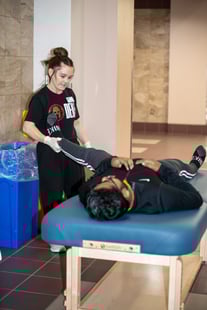
If you’re unsure where to begin, one-on-one assisted stretching is a great option. This personalized service benefits both the aging adult hoping to stay mobile and independent, and the marathon runner training for a new PR. Assisted stretching targets specific muscles without placing strain on your body, allowing for deeper, more effective, and mindful stretching.

Both of these services are valuable tools for any individual looking to improve performance, mobility, and overall quality of life.


A consistent routine of mobility, flexibility, and recovery is one of the most important investments you can make in your long-term health. NIFS offers a variety of classes and services to help you move better, feel better, and age well—no matter your fitness level.

It's not too late to participate in our Mindful November program! Be sure to complete each week’s prompt and grab a punch card. Attend your favorite yoga or stretch classes for a chance to win your own 60-minute assisted stretching session.

Topics: yoga mindfulness stretch movement

The Power of Gratitude for Wellness

Gratitude could be defined as recognizing and appreciating the “good” things in our lives, regardless of challenges that come up. Gratitude is a positive emotion that aligns with a growth mindset. Practicing this emotion can benefit our sense of well-being by reminding us of the strengths, resources, and support systems in our lives. These positive aspects of our day-to-day empower us and remind us of many gifts we have. Positive thinking and gratitude can lead to an increased sense of self-efficacy and resiliency against setbacks. In other words, positive thinking leads to positive results.

Don’t Focus on the “Bad”

Focusing on the negative aspects of the day can be an avoidable trap. Life constantly evolves with new challenges and often distracts us from the things that make us happy. If we aren’t mindful of our thought habits, we may follow a pattern of negative thinking. Negative thinking and self-criticism build up over time and can detract fromthe overall sense of happiness and fulfillment. Negativity may affect performance, may diminish morale, and may contribute long-term to the progression of disorders such as anxiety and depression. Focusing on the “bad” can decrease our perception of happiness and ultimately lead to a more fixed mindset. Appreciating the better things in life steers our thoughts and emotions towards progression and growth, rather than fixating on the negative aspects. In 1998, Martin Seligman, former president of the American Psychological Association, started the discussion on positive psychology, which has evolved over the years. The P.E.R.M.A. model of well-being was later developed from his original theories. P.E.R.M.A is an acronym for positive emotions, engagement, relationships, meaning, and achievement. This theory of positive psychology states that by acknowledging these positive aspects in our lives, we feed a deeper sense of intrinsic well-being.

Why is it important to practice gratitude?

GettyImages-2025070275Feeling gratitude, or practicing it intentionally, can benefit our sense of happiness because we train our thoughts to entertain aspects of P.E.R.M.A. These thoughts serve our own greater good and connect us back to relationships, meaning, and life purpose. These thoughts are focused on things we value, regardless of the circumstances we are in.
New challenges are approached with optimism as we make positive thinking habitual. Positive emotions, in a way, “strengthen” our mind by reinforcing our sense of contentment in ourselves and our surroundings. The practice of intentional positive thinking builds up mental resiliency to new challenges. Resiliency leads to approaching problems as a relative event, rather than an innate issue.

Gratitude can be a choice to acknowledge what is going well and move past the things that detract from our happiness. Gradually, positive thinking fosters a positive outlook when problem-solving, while we are actively engaged with day-to-day life.

How Gratitude can change a Fixed Mindset toward a Growth Mindset

Fixed-minded people often make the mistake of treating problems as failures or things to avoid. Growth-minded people are resilient because they treat problems as a process of ongoing development. By adopting a growth mindset, we can meet our challenges with an appreciation for where we are and embrace challenges as an anticipated part of the process. People who feel gratitude tend to be happier as they understand that life may be challenging at times, but offers many gifts to cherish.

Make Gratitude a Habit

You can start practicing gratitude in many ways by taking mindful moments throughout the day. One idea is to explore yoga, the inward journey, which was created to be a physical means of introspection and mindfulness. Try this… Before your next yoga session, try setting intentions on gratitude before your asana practice. Joining the Level 1 Yoga Class at NIFS, for example, could be a time to slow down and think about one or two things that provide meaning and happiness in your life. After 45 minutes, you may be surprised by how your thoughts are naturally more optimistic. The troubles from the day suddenly seem not so bad.

Mindful November logoReady to bring more mindfulness and gratitude into your day? Join NIFS Mindful November! Follow along on our social media or stop by the service desk to discover this month’s weekly prompts and participating fitness classes as part of our Mindful Challenge.

Subscribe to our Blog

Topics: challenge mindfulness mind-body gratitude