
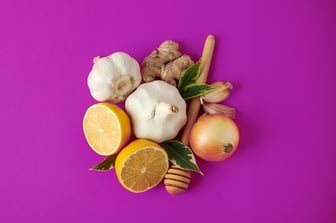
 Colder, drier air, less sunlight, more time spent indoors, increased holiday travel, and more mixing and mingling all contribute to rising rates of illness in the winter months. While no single food or supplement can prevent or treat illness, a balanced diet with the right combination of key nutrients can support a healthy immune system—making it easier for your body to fight off illness and infection.
A food-first approach is recommended when it comes to obtaining these nutrients. This means focusing on whole foods as your primary source rather than relying heavily on supplements. Below are several key nutrients for maintaining a healthy immune system this winter and the foods in which they can be found.
Vitamin C
Vitamin C is a well-established immune-supporting nutrient. It serves as an antioxidant, helping fight off cellular damage that can make cells more susceptible to illness and infection. It also supports the function of phagocytes, the cells that “eat” pathogens.
Most fruits and vegetables contain vitamin C, but seasonal quality can vary this time of year. It can be helpful to choose those that are in season, such as citrus fruits (oranges, clementines, grapefruits) and their juices, pomegranates, kiwis, bell peppers, and leafy greens like kale, Brussels sprouts, broccoli, and cabbage. Frozen fruits are also a great option, as they are typically picked at peak ripeness and remain just as nutritious as fresh varieties.
Vitamin D
Vitamin D helps activate white blood cells that detect and destroy pathogens. Without adequate vitamin D, these cells are not as effective. Sunlight exposure contributes significantly to vitamin D production, but during the winter months, sunlight and time spent outdoors decrease—leading to lower natural production. Vitamin D is also found naturally in very few foods, so unless you’re intentional about including these foods regularly, you may fall short.
Vitamin D is primarily found in fortified dairy products and dairy alternatives (almond, soy, coconut), fatty fish (salmon, mackerel, sardines, anchovies), egg yolks, and mushrooms exposed to sunlight. If you don’t consume several servings of these foods on a regular basis, your physician can order a blood test to determine whether your levels are adequate and if a supplement is indicated.
Zinc
Zinc plays an important role in the normal development and function of immune cells. It may also help inhibit the replication of certain viruses and bacteria, potentially shortening the length of infection. Zinc is best absorbed through animal sources such as beef, pork, turkey, seafood (oysters, crab, shrimp, sardines), eggs, and dairy products. It can also be found in plant sources, including seeds (pumpkin, hemp, chia), nuts (cashews, almonds, peanuts), beans, lentils, and whole grains.
No one supplement or food can prevent or treat illness, and diet is only one part of the equation. To further reduce your chances of getting sick this winter, remember to wash your hands regularly, sanitize frequently touched surfaces, cover your coughs, and stay well hydrated and well rested.
By focusing on nutrient-dense foods and simple daily habits, you’ll give your immune system the support it needs all season long.

 1. Do make a plan to manage your stress level.
 As winter approaches, don’t let it discourage you from reaching your full potential and goals you’ve set for yourself. Continue to use exercise and strength training to keep your body healthy.
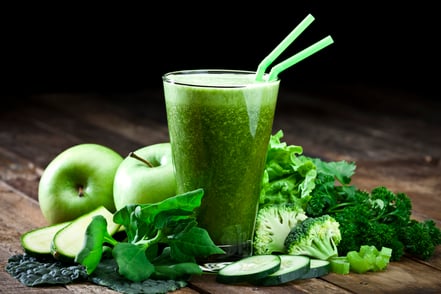 We’ve all been here before: When it seems the long, gray winter will never end and you make one more pot of hearty vegetable soup or another casserole; or when the lackluster tomatoes and almost pinkish-white strawberries just aren’t cutting it. It’s time to get creative!
 There is no debate that it’s easier to make healthier choices and lose weight in the spring and summer months. The sun is shining and warm, the days are longer, and you feel motivated to get outdoors and be active. But when the cold, harsh months of winter come around, all motivation goes out the window. Let’s take a look at ways to keep your motivation high and get over those hurdles of temptation.
 If you are like most people, the dreaded
 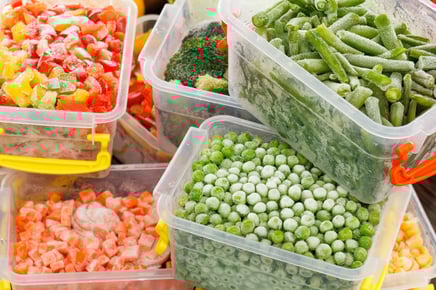 Since you were young you probably have been told to eat your fruits and vegetables. Fruits and vegetables are the nutritional powerhouses of your diet. They offer essential vitamins, minerals, fiber, and phytochemicals that not only keep your body healthy, but also protect against cancer, heart disease, stroke, and other health conditions. During the winter months, fresh fruits and vegetables are more limited and generally more expensive. As a result, many of us turn to canned or frozen options. So are canned and frozen options just as healthy as the fresh produce we consume?
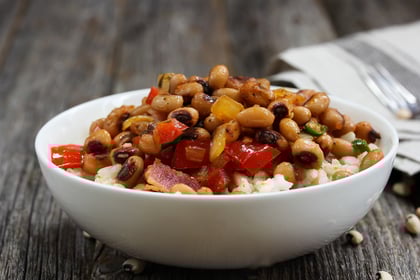 Every year on New Year’s Day my husband’s grandma makes cabbage. She says it’s good luck. I had never heard of this tradition, and then someone else told me they eat black-eyed peas for luck, also. I decided to look into it and there are actually quite a few foods that people eat every year on New Year’s Day hoping that the next year will be prosperous and lucky for them—all because of a meal they consumed on the holiday!
 Slow Cooker Pork and Sauerkraut with Apples
 Every four years, the
  The concept of cross-country skiing for sport comes from areas in which getting around is easier and more common on skis than trudging through the snow. Out of necessity and the evolution of transportation, people in the Nordic region of Europe are now famously known for producing some of the highest VO2 Max numbers in the world. Your
  One of the most fascinating events at the winter Olympics is the bobsled. A team of individuals, working as one, propels a bobsled down a narrow, icy chute. To get the sled going, the team relies heavily on otherworldly leg strength. The rest of the event takes skill and some luck, as this is a race to the finish line. The winning team usually has a complete balance of strength, skill, balance, and weight.
 Winter is officialy here. With temperatures getting colder and the weather conditions more temperamental, it’s important to plan ahead to stay on top of your wellness goals. Distractions are inevitable during the holidays, but anticipating them and reacting accordingly will set you apart from most individuals during this season. See our tips below to help combat being sidelined this season