<img height="1" width="1" style="display:none" src="https://www.facebook.com/tr?id=424649934352787&amp;ev=PageView&amp;noscript=1">

NIFS Healthy Living Blog

Simple Nutrition Habits to Feel Your Best Heading into Spring Break

GettyImages-1960974311Did you know that the average American spends about $4,000–5,000 a year on fast food, dining out, and mobile orders? Now as a student that might be a little less, but if we really break down what fuel we are giving ourselves, it does not always line up with our physical goals or our financial goals. Feeling your best going into spring break usually comes from simple habits rather than drastic changes.


Let us start with consistency: breakfast.

In a semester, assignments are due and projects and exams are always looming over us. It is easy to skip meals and rush to and from classes, sometimes picking up something quick and easy, but is it really fueling us? Foods that contain protein and fiber tend to keep you satisfied and prevent energy crashes later in the day. Holistic foods such as chicken, eggs, beans, oats, and whole grains and 
vegetables tend to make a meal more filling and help the body produce fuel to memorize 
for the exams and keep you going during long study sessions.

Simple Habits That Make Healthy Eating Easier

Some simple tricks and habits that have been shown to improve habits and consistency 
are eating with friends. News flash: eating with friends or coworkers is shown to be 
beneficial. Another habit that has shown itself to be consistent in getting enough fuel for 
the day usually requires more than a quick pick-up order from somewhere. Sitting down 
and either making something from scratch or giving yourself actual time to sit down and 
enjoy your meal, made fresh or not, can make a big difference.

Listen to How Your Body Feels

If finances were not enough to make you take a step back, let us look at how the body feels 
throughout the day. Are we tired, confused, and lazy throughout the day? It might be a 
question about what you are feeding yourself daily. Going into your break you might get the 
opportunity to try mom or dad’s cooking, or even give yourself the time to do something 
and not rush somewhere, but notice your nutrition patterns when you are on break. Does 
your appetite increase or decrease while at home? That could be a big indicator as to what 
you could improve or change when you come back from college.


Eating out necessarily is not a bad thing, but smart financial decisions and making a 
holistic meal, if you have never tried it, might not be the worst thing to try out. Give yourself 
the extra time in the day to experiment with fuel as well. If you do not try breakfast, try it and 
see how much more or less energy you have throughout the day. Follow USDA’s new food 
pyramid and see how it makes the body feel, because I can almost guarantee you that you 
could benefit from at least one thing from it.


The last habit I will give you is to do your own research. There are so many new, interesting, 
and rewarding things you can do to help make yourself feel better. If you spend even a little 
bit of time looking into what foods you are putting into your body, you will find that there are 
always better options. Just as it takes energy for you to do work and school, your body 
needs energy 24/7—even when you are sleeping—to keep things up and running.


Remember, your body is never off the clock. It is constantly changing, improving, and 
protecting itself, so why not give it what it really needs—a good meal.

Topics: healthy habits healthy eating school students

Back-to-School Nutrition: Tips for University Students

GettyImages-2164586007As university life picks up speed, maintaining a balanced diet can often fall by the wayside. Between classes, study sessions, and social activities, it’s easy to grab whatever is convenient. However, good nutrition is essential not only for keeping your energy levels up but also for enhancing your academic performance, supporting mental focus, and maintaining overall health. Here are some practical tips on stocking your dorm or apartment with nutritious, affordable, and convenient foods.

Power Up with Protein

Protein is key for staying full and supporting muscle recovery, especially if you’re hitting the gym. Here are a few budget-friendly, protein-rich foods that are easy to store and prepare:

  1. Greek Yogurt: A versatile, protein-rich option, Greek yogurt is great for breakfast or a post-workout snack. Choose plain varieties to avoid added sugars, and mix in fresh fruit or granola for added flavor and nutrients.

  2. Canned Tuna or Salmon: These are affordable, shelf-stable sources of protein. Mix with light mayo, mustard, and veggies for a quick meal, or stuff into a whole-grain pita.

  3. Eggs: Eggs are a cost-effective protein source. Hard boil a batch at the start of the week for easy grab-and-go snacks, or cook up an omelet loaded with veggies for a nutritious meal.

Color Your Plate

Including a variety of colorful fruits and vegetables in your diet ensures you’re getting a range of vitamins, minerals, and antioxidants. Here are some options that are easy to keep on hand:

  1. Baby Carrots and Hummus: A crunchy, satisfying snack that pairs well with hummus, which also provides a bit of protein and fiber.

  2. Frozen Berries: Just as nutritious as fresh, frozen berries are perfect for smoothies, yogurt toppings, or thawing for a quick snack.

  3. Spinach and Mixed Greens: Pre-washed greens are a convenient base for salads or can be added to sandwiches, wraps, or smoothies for an extra nutrient boost.

Quick and Easy Meal Ideas

When time is tight, having simple meal options can help you avoid less healthy choices:

  1. Overnight Oats: Combine rolled oats with Greek yogurt or milk and add your favorite toppings like nuts and berries. Prepare it the night before for a quick, ready-to-eat breakfast.

  2. Protein Smoothies: Blend protein powder, spinach, frozen berries, and a banana with milk for a quick, nutritious meal.

  3. Whole-Grain Wraps: Keep whole-grain tortillas on hand for easy wraps. Fill with lean protein like turkey, mixed greens, and veggies, and add a spread of hummus or avocado for healthy fats.

Budget-Friendly Tips

Eating well on a budget is possible with a few smart strategies:

  1. Buy in Bulk: Bulk items like oats, rice, and nuts are often cheaper and can be stored for long periods.

  2. Shop Seasonal Produce: Seasonal fruits and vegetables tend to be less expensive and more flavorful. Check out local markets or the produce section for deals.

  3. Frozen Options: Frozen fruits and vegetables are often more affordable than fresh and retain their nutritional value. They’re perfect for quick, healthy meals.

By keeping your dorm or apartment stocked with these nutritious, budget-friendly options, you’ll be better prepared to fuel your body and mind for the demands of university life. Remember, healthy eating doesn’t have to be complicated or expensive—a little planning can go a long way.

For more nutrition, overall health, and fitness tips, be sure to subscribe to our blog!

Subscribe to our Blog

Topics: healthy habits energy diets student athletes school students healthy lifestyle grocery shopping

Finding Your Balance: Juggling Academics and Fitness

GettyImages-1371148660-1Starting school can be exciting and overwhelming. Whether it is meeting new people, trying to manage a demanding class schedule, handling new responsibilities, or facing academic pressure, balancing everything can seem challenging. Many students also want to focus on their personal fitness goals but struggle to find time to manage with everything else going on. However, finding a balance between academics and health can be extremely beneficial for you, both physically and mentally. Here are some tips on how to manage both your academics and fitness goals. 

Prioritize Your Schedule

This is a key point when creating that balance between academics and fitness. Start off by planning your class schedule with your free time, and implement time for both your study hours and exercise. Use a planner or calendar to track your commitments, blocking off time for classes, studying, and your workouts. Prioritizing your exercise time should be as important as a class or meeting, treating it as a non-negotiable to hold yourself accountable.

Optimize Your Workouts

Your workouts do not have to be hours on end at the gym, especially if you are already pressed for time in your schedule. Focus on short, effective workouts, such as a 30-minute high-intensity interval training (HIIT), a 2–3-mile run, or a heavy lifting day with low rest time intervals. Consider your workout type when deciding your workout space, such as your local gym, dorm room, or the outdoors.

Combine Studying and Fitness

Using stationary bikes or treadmills can also be a great exercise to be able to study, take notes, and listen to recorded lectures, or audiobooks. Try to find ways to implement studying time with different exercises so you don't have to sacrifice any studying time.

Fitness Classes and Social Time

Most colleges offer a wide variety of fitness classes, such as here at NIFS! These classes can range anywhere from 30 minutes to an hour, giving you some direction if you are unsure of what to do. This is also a great opportunity to meet new people and create new relationships and open new doors to things you may not have known beforehand.

Adjust Accordingly

Your schedule will change as the year goes on, so you want to make sure you can be flexible with it and make adjustments as you see fit. Consistency is key, don't let a few hiccups in your schedule take away from your motivation to stay on track.

Balancing your academics and fitness may initially be challenging, but once you start to create that consistency, you will notice a significant improvement in your overall health and lifestyle. Learning how to do this early on will help you achieve a much healthier, well-balanced lifestyle that you can follow all through college.

Group Fitness Schedule

Topics: group fitness balance school students fitness goals friendship

The Benefits of NIFS for a College Student

As a full-time student, balancing your studies, work, and health can be difficult. I have found one of the best ways to relieve stress, stay healthy, and feel good overall is through working out. For as long as I can remember, I have enjoyed working out—not just for my physical health, but my mental health as well. It has always been a way for me to work through my emotions, good or bad, and it always makes me feel better in the end, even if the workout is difficult.

dance-1

An Outlet for Movement and Mindfulness

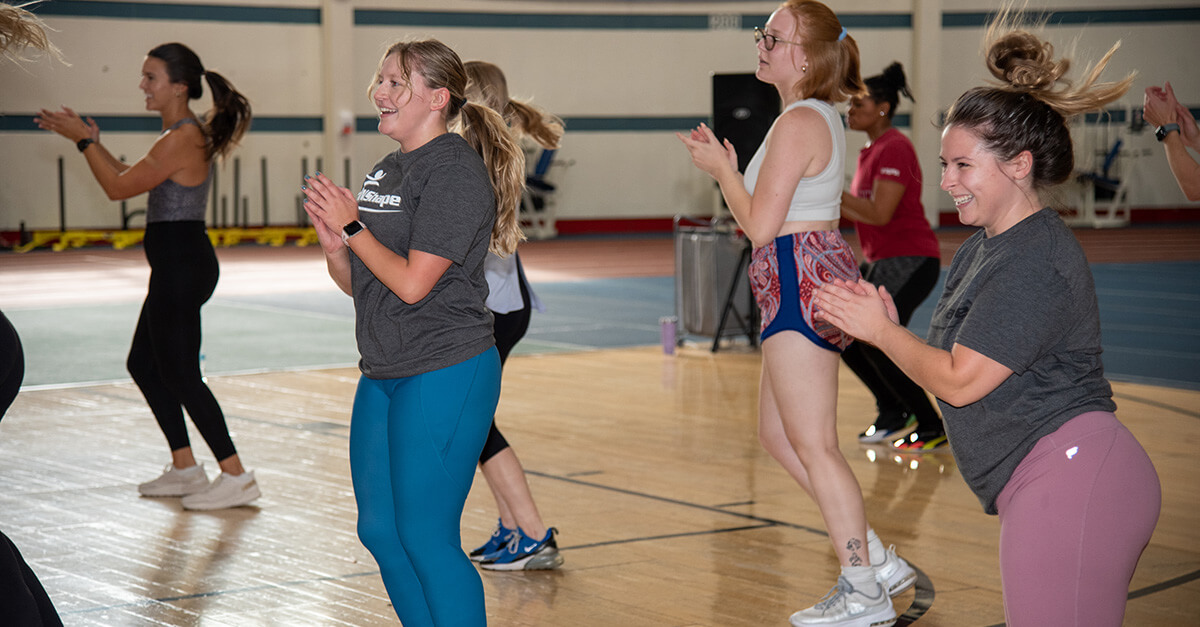
NIFS has been my go-to gym since starting college in 2021. Whether l am lifting weights or participating in group fitness classes, moving my body has always helped take my mind off of things when I need to clear my head and relax. NIFS has allowed me to have multiple outlets for movement all in one place with its variety of equipment and classes ranging from things that work my body, like our Zumba class, to relax my mind, like our yoga classes.

Social Benefits

NIFS has also been a place where I have met some amazing people. It’s a wonderful place to be social and work with like-minded people who push you to be your best even when you do not feel like it. It has been a great community that I have found myself and others thriving in. There is a mix of both students and regular gym-goers from the community that promotes all kinds of different interactions. In fact, some of my favorite people I have met are not even students and have even helped me outside of the gym.

Overall, NIFS has been extremely beneficial to me as a full-time, working student. It allows me to balance my studies and work with my mental and physical health. The community and environment are healthy and promote people to be their best selves. I couldn’t imagine being a student and not having NIFS as my outlet.

New call-to-action

This blog was written by Sydney Poindexter, NIFS Membership Specialist. To learn more about the NIFS bloggers, click here.

Topics: NIFS yoga group fitness Zumba students working out

4 Quick Workouts for Students

ThinkstockPhotos-177248545.jpgBusy college schedule? No time to fit in your workout between exams, papers, and class? Don’t let school be the excuse to skip or miss your workout. According to The Lancet, people who exercise as little as 15 minutes a day have a 14% lower mortality risk than people who don’t exercise at all. Just remember, something is always better than nothing!

Quick at-the-Gym Workouts

Here are some quick workout options, that require dumbells or kettlebells, that you can do if you are short on time.

Workout 1: 2–3 rounds

Workout 2: 2–3 Rounds

Fast Workouts That Don’t Require Equipment

No equipment, no problem. You can still get in a quick workout. Just because you do not have weights available doesn’t mean you should skip.

Workout 1: 3–4 rounds

  • Walking lunges x 8 each
  • Pushups x 10
  • Squat hold x 5 (hold the bottom position of your squat for 10 seconds)
  • Side plank lifts x 8 each side
  • March in place x 30 seconds

Workout 2: 3–4 rounds

  • Side lunges x 8 each side
  • Bear crawl x 30 seconds
  • Single-leg bridge press x 8 each
  • Eccentric pushups x 5 (8–10 seconds on the way down; 1 second on the way back up)
  • Jumping jacks x 30 seconds

Always remember, something is better than nothing! “No time” should never be the reason for not getting in some strength movements as a student. If you need more help for quick workout ideas, stop by the track desk at NIFS and a trainer can help you out.

Like what you've just read? Click here to subscribe to our blog!

This blog was written by Kaci Lierman, Health Fitness Instructor and Personal Trainer. To read more about the NIFS bloggers, click here.

Topics: exercise exercise at home fitness center equipment workouts strength college students