
When juggling all that life throws at us, squeezing in an hour at the gym isn’t always as easy as it sounds. Luckily, after reading this, you won’t need an hour—or even equipment—to get a workout. Using these quick circuits, you can boost your energy, build strength, and stay consistent with your fitness goals in less than 30 minutes. Whether you're at home, traveling, or sneaking in a quick movement break during a busy day, these bodyweight circuits, resistance-band routines, and mini cardio sessions may be for you.
Body Weight Circuits
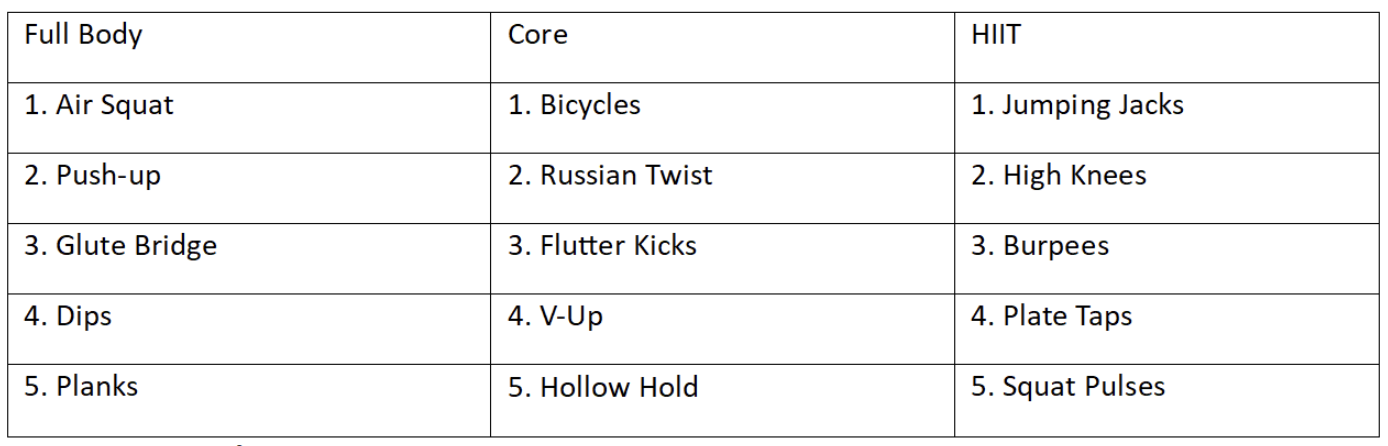
These workouts are structured to target the bodies major muscle groups and get your heart rate up fast. Do each of these exercises for 40 seconds with a 20 second rest. Complete 3 rounds of each circuit.
Resistance Band Circuits
A single resistance band can turn any room into an at-home gym if you know what to do with it. These workouts should be quick and effective. Complete 15–20 reps per exercise for 3 rounds.

Cardio Circuits
If you’re looking for some quick cardio, a 10–20-minute interval training session could be what you’re looking for. Ten minutes has been proven to be the minimum amount of time needed to see the benefits of cardiovascular training.
Maximum Power Output and Anaerobic Conditioning
- Work-to-Rest Ratio: 1:2 or 1:3
- Example: 20 seconds all-out / 40–60 seconds rest
This style allows you to sprint at 90–100% effort each rep while preventing breakdown of form and overtraining. This helps protect your body from injury while still pushing it to the max. This style of training is ideal for sprints, hill runs, or intervals on your favorite cardio equipment.
Aerobic Conditioning
- Work-to-Rest Ratio: 1:1
- Example: 1 minute fast / 1 minute easy
This style of training keeps heart rate elevated without excessive fatigue, making it ideal for beginners or those returning to training after an extended break. These slightly longer intervals help build a strong aerobic base and allow your body time to adapt.
Improving VO₂ Max
- Work-to-Rest Ratio: 2:1
- Example: 40 seconds hard / 20 seconds rest
This style of training is common in HIIT formats and pushes your cardiovascular system to adapt. It helps build endurance and is effective for athletes of all levels.
Staying active doesn’t always have to be a struggle. The key is finding time each day to get your body moving. Even on days when motivation is low, a short routine is better than no routine and can help clear your mind, lift your mood, and keep you progressing toward your goals. Remember, consistency is key. Over time, these small, consistent efforts add up—building not only strength and endurance but also habits to help you maintain a healthy lifestyle.

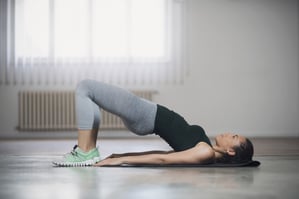 Shakira was onto something when she said, “My hips don’t lie.” Poor hip strength and mobility can lead to negative effects like lower back pain, poor posture, knee pain, and impaired balance, which is why improving hip health is crucial. But how can you build hip strength and mobility without a hip adductor and abductor machine? Read on to discover effective exercises to enhance hip strength!