
Starting Mother’s Day, we celebrate Women’s Health Week, May 10-16th. A great time for women and girls to focus on their physical, mental and emotional health. One key aspect of optimizing physical health is good nutrition throughout the lifespan. As women’s bodies change - from puberty to pregnancy to perimenopause - so do their nutrient needs. By better understanding and adapting to these changes, women can better support their health at every stage of life and reduce the risk of chronic conditions while promoting longevity and resilience as they age.
Adolescence
 During adolescence, nutrition should support the rapid growth, hormonal changes, brain development and more that occur during this phase of life. This stage lays the foundation for lifelong health, so the focus should also be on building and maintaining healthy habits. Adolescence is when girls build the bulk of their bone mass, with about 90% of adult bone mass being established by age 18, therefore it is important to prioritize bone building nutrients, like calcium and vitamin D, which are mainly found in dairy products (milk, yogurt, cheese) and dairy alternatives and in smaller quantities in leafy greens, breakfast cereals, fish and seafood (particularly those with bones) and fortified foods, such as fortified fruit juice.
Iron is also important for supporting increased blood losses due to menstruation. It is estimated that around 1 in 10 females experience iron deficiency during adolescence. Iron is found in red meats (beef, pork, lamb), fortified grains, lentils and beans, tofu and some leafy greens, although it is best absorbed when obtained from animal sources. To better absorb iron, pair it with vitamin C rich foods - like fruits and vegetables.
Adulthood
Nutrition throughout early adulthood should focus on continuing to develop and maintain healthy eating and exercise habits, especially as more and more barriers arise due to life getting busier with careers, relationships and more. Consuming adequate energy is essential for supporting a busier lifestyle and it is recommended to consume regular meals, even when schedules become erratic. Some women become pregnant during this phase of life, during which nutrition needs change greatly to meet the requirements of both the baby and the mother. Folate (vitamin B9) is critical for a healthy pregnancy, so ensure you are consuming adequate fruits, vegetables, beans and grains during this time to ensure you’re meeting your needs. A prenatal supplement can be beneficial. Additionally, most women reach peak bone mass by age 25-30, after which bone rebuilding slows and the risk for loss is greater, so consuming bone building nutrients remains a key priority during this phase of life.
Perimenopause
The transitional years leading up to menopause are often nutritionally challenging due to the hormonal fluctuations that occur which can impact metabolism, mood, appetite, bone density, body composition and overall energy levels. Many women complain of weight gain during this phase, often a result of body composition changes and the loss of lean body mass, which is what keeps the metabolism high and healthy. During this time, it is important to consume adequate protein, the building blocks for our muscles, to preserve lean body mass as much as possible. Strength and weight based training is also beneficial during this time, not only for muscle mass, but for bone density too.
There is some research to indicate that soy foods, like soy beans, edamame, and tofu may provide relief of menopause-like symptoms (hot-flashes), as they mimic the effects of estrogen, which decreases during menopause.
Post Menopause
After menopause, following an anti-inflammatory diet is recommended to support optimal physical and cognitive aging and longevity. An anti-inflammatory diet prioritizes lean, minimally processed protein sources, fruits, vegetables, whole grains, nuts, seeds, beans and legumes and limits pro-inflammatory foods like processed meats, snack foods (chips, cookies, cakes), and alcohol. Anti-inflammatory diets, such as the Mediterranean Diet, are also recommended for the management of many chronic diseases prevalent during adulthood, including hypertension, high cholesterol, and type 2 diabetes. Anti-inflammatory diets tend to be high in fiber, which is important for managing constipation, which can be a common complaint as women get older due to the natural slowing of the metabolism and changes to appetite and intake. Hydration should also be prioritized to prevent constipation and overall dehydration. Women should continue to see their physician regularly and obtain updated bloodwork to ensure there are no present nutrient deficiencies.
Regardless of what stage of life you are in, it’s never too late to start making improvements to your nutrition. Nutrition also isn’t a one-size-fits-all approach, so if you have concerns about your nutrition, consider meeting with a registered dietitian who can tailor your nutrition needs to you based on your individual needs and goals at every age.
.jpg?width=561&height=292&name=Go%20Girl%202023(3).jpg)
(1).jpg?width=456&height=261&name=2024%20Tri%20Training_FB(1)(1).jpg)
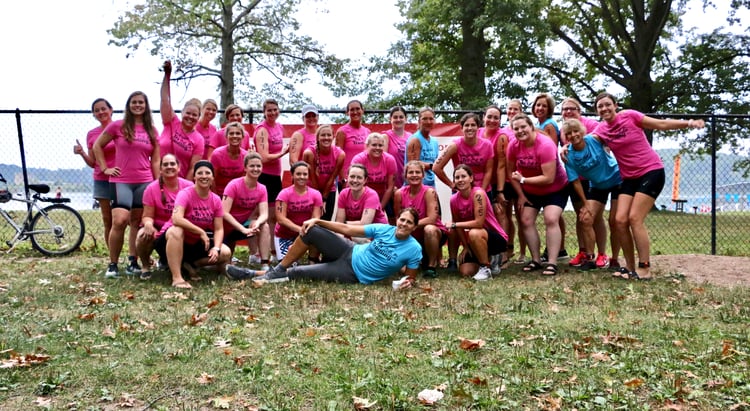
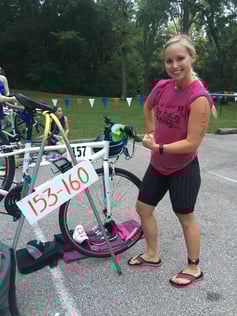


 There seems to be an expectation that women are supposed to do it all and not complain. That women are supposed to be wives and mothers, work full time, juggle friendships, have a social life, have time for themselves, so on. Society is ever changing, and we are supposed to keep up with it. Let’s rewind some years ago where most women stayed at home with their children, and taking care of their household was their only responsibility.
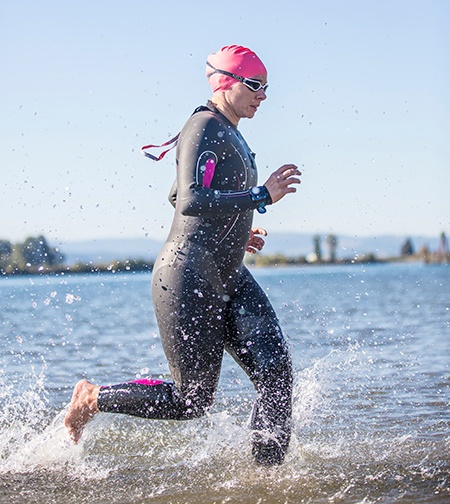 There are so many different types of races out there to challenge yourself with this summer. Maybe you are signed up for a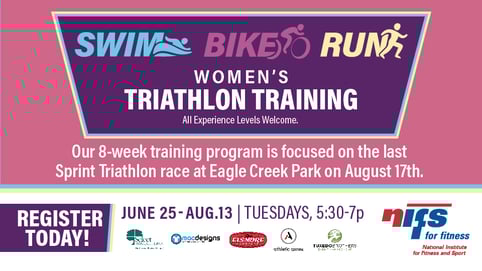
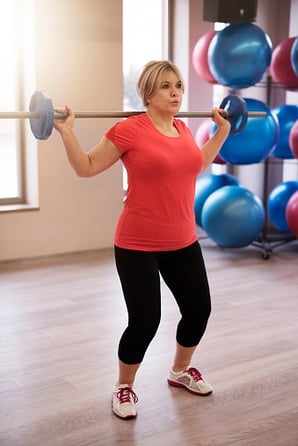 Let’s play out a little scenario. Judy just renewed her gym membership because it’s almost time for her annual summer vacation. She currently weighs 170 pounds but wants to lose around 30 pounds before she goes on vacation. She has taken herself through this transformation once before by running 4 miles on the treadmill every other day until she finally got to her desired weight. She plans to come to the gym this year with the same game plan as last time. Judy does not lift weights because she only wants to lose fat, not gain muscle.
  For many triathlon participants, the swim is the most difficult discipline. Open-water swimming is different than following the black line on the bottom of a pool. Here are some tips to help the swim portion of the race go more smoothly.

 As a fitness professional, I have had the honor and the privilege to work with some amazing women over the past decade. Strength, passion, and a focus on excellence are just a few of the characteristics that I have witnessed women displaying day in and day out, and I have gained strength and motivation from them. So when I was asked to join some of the strongest fitness minds on the planet to celebrate and inspire some of the women of our wonderful Indianapolis community, it was a no-brainer. I’m IN!