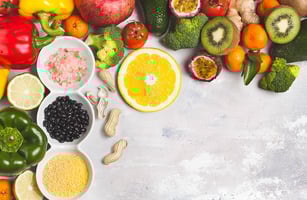
 With March being “National Nutrition Month”, there’s no better time to refresh your nutrition-related knowledge and rethink common food misconceptions and myths. With so much conflicting information online and on food labels themselves due to marketing messages, it can be difficult to separate fact from fiction. Here are nine fun and informative facts that might change the way you look at what’s in your pantry or on your plate:
1. Himalayan pink salt isn’t much healthier than table salt.
While himalayan pink and other sea salts are less processed and may have a higher natural mineral content (iron, copper, etc) than table salt, these minerals are found only in trace amounts and unlikely to provide significant nutritional benefits. Both types of salt are about 98% sodium chloride, however, table salt is often fortified with iodine, an essential mineral needed to produce thyroid hormones. Both types of salts should be used in moderation to reduce the risk of high blood pressure.
2. Blending foods does not remove or reduce their fiber content.
Fiber is found in the flesh, skins and seeds of plant-based foods like fruits, vegetables, whole grains, nuts and seeds. Blending fruits and vegetables into smoothies, sauces and soups is a great way to increase your dietary fiber intake, especially as up to 95% of the population fails to meet the recommended 25-38 grams of dietary fiber/day. As long as everything that goes into the blender is consumed, the fiber content remains the same. In contrast, juicing DOES remove the fiber from fruit, as the juice is separated from the flesh, skins and seeds, which is where the fiber is found!
3. Fruit juice is not always 100% fruit juice.
Fruit juice can be made in two different ways: “not from concentrate” or “from concentrate”. Juice that is not from concentrate is “100% fruit juice” with no added colors, preservatives, or sugars. It is harvested, immediately bottled and stored/sold. Juice that is from concentrate is made from a “syrup-like concentrate” that is made by evaporating water from 100% fruit juice. This concentrate is easy to ship and store, and therefore much cheaper to sell to the consumer, however, due to the loss of nutrients and flavor in removing the water, preservatives and other ingredients are often added, making fruit juice from concentrate an ultraprocessed food and therefore one that should be limited.
 4. Frozen produce can be just as nutritious as fresh produce, if not more.
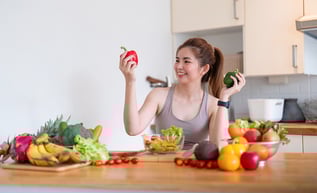
Frozen fruits and vegetables aren’t just more cost effective - they may also be more nutritious! Fruits and vegetables that are frozen are often picked at peak ripeness, when the flavor is best and often when the nutrient content of foods is at their highest. In contrast, fresh produce is often picked before its peak ripeness to allow for ripening time during transport and storage. Fruits and vegetables that are ripened on the vine often result in higher levels of antioxidants and better flavor. When choosing frozen fruits and vegetables, be sure to opt for those without any added sugars or seasonings, which can make them less nutritious.
5. Peanuts aren’t “nuts”.
Nuts are botanically defined as a dry, single-seeded fruit with a hard shell that doesn’t split open once mature (such as hazelnuts, chestnuts, acorns). By definition, peanuts are actually legumes, plants that produce seeds in pods (such as beans, lentils, peas), although they are legally and culinarily considered nuts. Both nuts and legumes are good sources of fiber, plant-based protein, B-vitamins and many minerals and both food groups should be incorporated several times each week as part of a healthy, balanced diet.
6. Oranges aren’t the food with the highest vitamin C content.
Despite oranges being the face of vitamin C-rich foods, there are many foods that contain more vitamin C per serving than an orange (~70 mg vitamin C per 1 medium orange). For example, one medium red-bell pepper contains ~150 mg vitamin C, one guava contains ~200+ mg vitamin C, and 1 kiwi contains 80-90 mg vitamin C! Vitamin C plays an important role in immune health and function, collagen production, and iron absorption!
7. Pineapple contains an enzyme that helps break down protein-rich foods.
The stem and fruit of the pineapple contains bromelain, a digestive enzyme that helps break down proteins. Some people may experience tingling in their mouth when eating raw pineapple, which is caused by bromelain beginning to break down proteins on the tongue!
8. Eggshell color has no impact on the nutritional value, quality or taste of an egg.
Eggshells come in a variety of colors - white, brown, speckled, blue, green, grey - however, the color of the shell of the egg is determined solely by the breed of the chicken, rather than its nutritional content or quality. Any variation in quality or nutrition would be a result of the hen’s diet or living environment.
9. Multigrain does not mean whole grain or healthier.
100% whole grains are grains in which all 3 layers of the grain are intact, which provide maximum fiber, vitamins and minerals. In contrast, “enriched” or “refined” grains are those in which one or more of the layers of the grain has been removed to allow for consistent color and texture of the product, however, in removing part of the grain, many of the nutrients are also removed. “Multigrain” means that the product uses more than one type of grain, which may or may not be refined or enriched and therefore may not be as healthy. To ensure you’re getting the most nutritious grains, opt for 100% whole grains such as 100% whole wheat bread, quinoa, oatmeal, or brown rice.

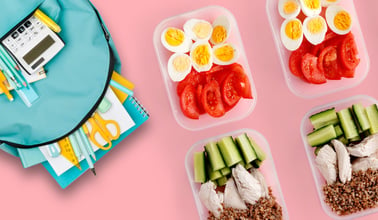 Instead, effective meal planning is about creating a simple system that reduces those day-to-day decisions while still allowing for some flexibility based on your schedule and individual needs and preferences. It’s best to start small, such as with breakfast for the entire week or with just 2 days of complete meal prep per week. Additionally, rather than preparing every single meal in advance, some have more success by preparing single ingredients or meal components that can be mixed and matched throughout the week to create a balanced meal, such as pre-cooking two or three different types of proteins, grains, and vegetables, which can be varied throughout the week based on preferences and schedule each day. Pre-cooked and no-cook staples can be kept on hand for creating quick meals in a pinch, rather than in advance. Here are some suggestions for what to keep on hand for last-minute meals:
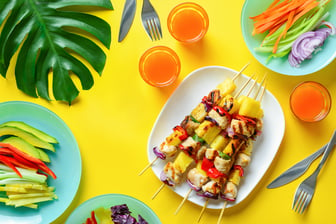 Grilling is one of the most popular ways to cook during the summer months, with nearly 70-80% of American households owning at least one grill. Cooking with a grill creates unique flavors and smells that are hard to achieve through other cooking methods, gets people outdoors, and oftentimes brings people together, so it is easy to understand why it is so popular! While grilling is typically a beloved tradition, depending on your grilling methods and preferences, it may not always be the best for you.
 The week leading up to Father’s Day, June 14–21, is Men’s Health Week, a time meant to raise awareness about common health issues among men and how to best prevent chronic disease through health-conscious lifestyle practices, regular wellness exams, and preventative screenings.
 During adolescence, nutrition should support the rapid growth, hormonal changes, brain development and more that occur during this phase of life. This stage lays the foundation for lifelong health, so the focus should also be on building and maintaining healthy habits. Adolescence is when girls build the bulk of their bone mass, with about 90% of adult bone mass being established by age 18, therefore it is important to prioritize bone building nutrients, like calcium and vitamin D, which are mainly found in dairy products (milk, yogurt, cheese) and dairy alternatives and in smaller quantities in leafy greens, breakfast cereals, fish and seafood (particularly those with bones) and fortified foods, such as fortified fruit juice.
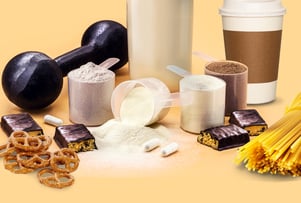 Protein was once primarily associated with fitness enthusiasts and bodybuilders. It was commonly found in supplements like powders, bars, and shakes. In recent years, however, protein has made its way into mainstream marketing, and now it can be found in nearly everything—from coffee and pasta to popcorn and even soda.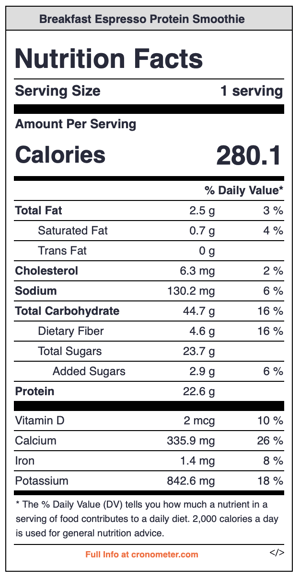
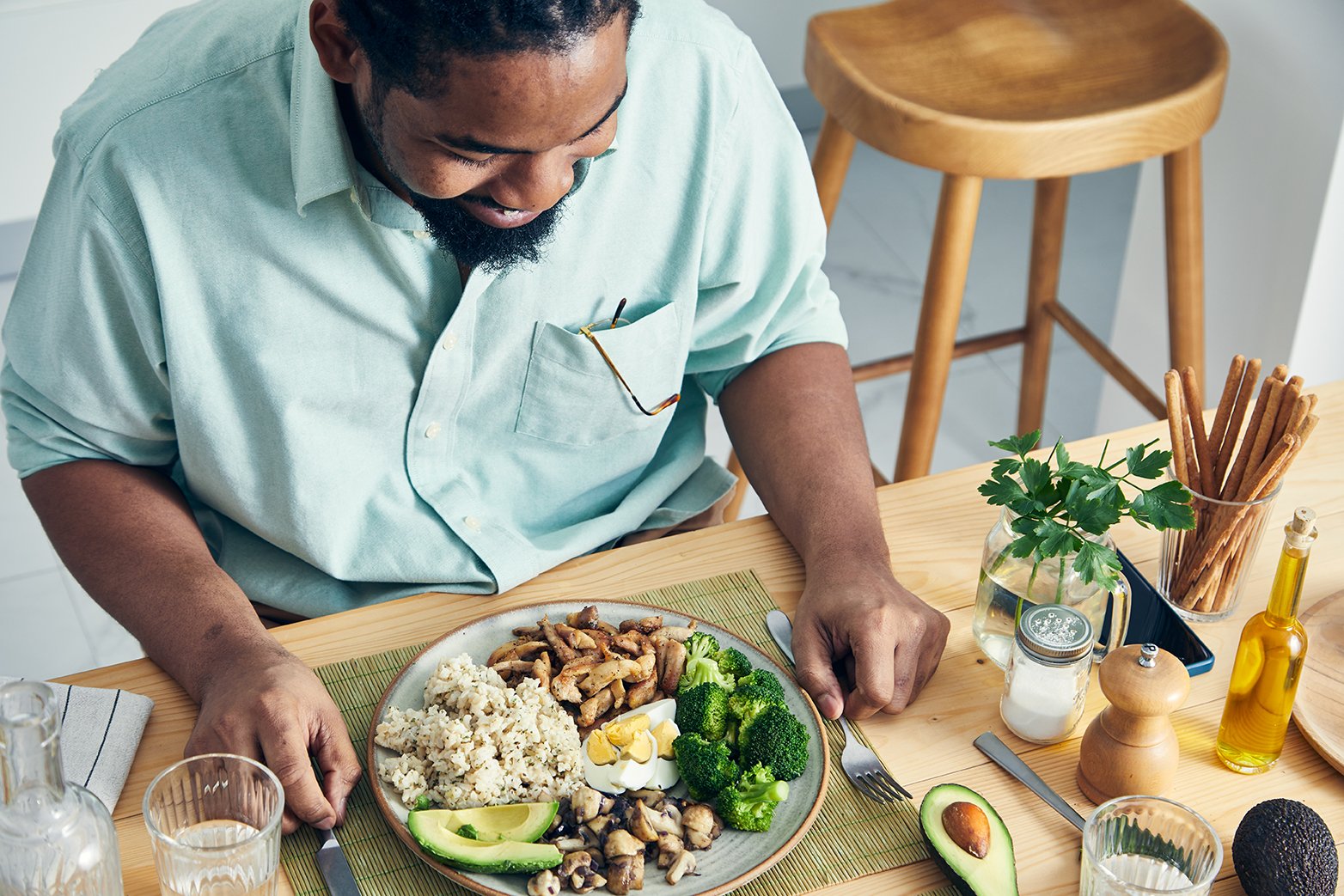
 Vacations are all about relaxing, unwinding, exploring and trying new things - including food! However, when your goal is to eat healthier, vacation can be a major obstacle. Food is often used to resolve airport and road trip boredom and many of us fall victim to the “vacation mindset” - or using vacation as an excuse to go off the rails and overindulge. To stay on track without sacrificing your happiness, incorporate the following:
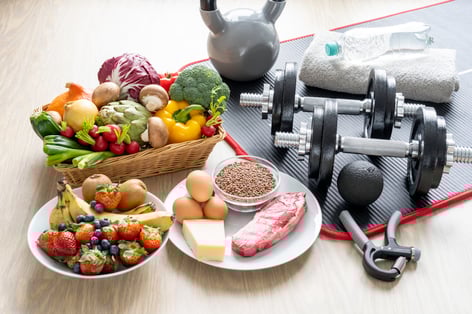 If you’ve been into fitness for a while, you likely know how important it is to fuel and replenish your body before and after exercise with the proper nutrition. However, you might be uncertain and confused about why, when, and what to eat and drink to optimize your workouts.