

<img height="1" width="1" style="display:none" src="https://www.facebook.com/tr?id=424649934352787&amp;ev=PageView&amp;noscript=1">

NIFS Healthy Living Blog

Shelby Graves

Recent Posts by Shelby Graves:

Smart Snacking Through the Holidays

GettyImages-2199411526The holidays always bring a lot of fun, joy, and memories but they can also bring a lot of sugar crashes, mindless eating, and possible setbacks to our health and fitness goals. There are many reasons why trying to be mindful of what we’re eating around the holidays is important. One being energy management – you feel more energized when you take the time to include nutrient dense food alongside your favorite holiday dishes and treats. Second, you’re helping support your health and wellness goals – while enjoying yourself over the holidays is fine, making time to include foods that push us towards our goals and being more mindful of the things that could derail them is very important. Lastly, making sure to include foods with fiber and staying well hydrated will also aid in digestion and blood sugar regulation which are key components of our overall health.

Energy Maintenance

This time of year often includes work holiday parties, family gatherings, and many other events that make our schedule busy. Maintaining energy through what you eat can be a big help in not getting slowed down by all the holiday fun. There are a few ways to help make sure you feel great and enjoy yourself. One way to stay energized is to prioritize protein and fiber! Including things like fruit, veggies, nuts, and Greek yogurt or even making the switch to whole grain crackers are great ways to snack and enjoy with your health and fitness goals in mind by providing micronutrients and helping you stay fuller longer. Another way is to have emergency snacks with you – things like protein bars, dried fruit, or string cheese are a great way to prioritize your goals while being busy during the holiday season.

Staying On Track

Mindful, smart snacking is important in not deterring your health and fitness goals. While the actual holidays are typically only one to two days, we all know that the treats and festivities trickle all throughout December. One way to make sure that office holiday party doesn’t create a setback is slow, intentional eating. This allows you to be mindful about not only what you’re consuming but also helps you to take the time to listen to hunger cues that your body gives you. Another tip is to make healthy options seasonal and fun. Holiday fruits like oranges, pomegranates, and apples with cinnamon help make things festive but keep you right on track through New Years.

Overall, Health and Longevity

Your hydration and digestion are a huge component of not only succeeding in your health and fitness goals but in your overall longevity. Prioritizing water/herbal tea at your holiday events is going to keep you feeling well overall but also helps you be more mindful and make better choices once the sweets come out. Practicing portion awareness and fiber will help keep your digestive system regulated and help prevent bloating/inflammation as well. Placing snacks on a napkin or a small plate will help keep you from grazing and feeling sluggish/bloated later and consuming snacks like whole grain crackers, veggies, fruits, and nuts will also help regulate your blood sugar as well.

We all love a treat here and there through the holidays but by prioritizing good options, hydration, and setting ourselves up to have success in the chaos of the season is what will help us to wake up still feeling healthy, energized and moving towards our goals this season
Topics: healthy habits snacks holidays meal planning

Flexibility, Mobility, and Recovery

A well-implemented mobility and recovery routine is crucial for your overall health, longevity, and the sustainability of your fitness routine. These practices help prevent muscle soreness and tightness while maintaining the pliability and strength of your joints and ligaments—ultimately allowing you to keep working hard in the gym.

Mobility, flexibility, and recovery also influence long-term health. A mobile, flexible body not only enhances movement during workouts but also supports your ability to perform daily activities as you age. In addition, flexibility work supports healthy blood flow throughout the body. At NIFS, we offer several classes and services designed to help you stay mobile, flexible, and well-recovered. Read about them below and why you should incorporate them into your routine!

D85_7583-Enhanced-NRYoga and Stretch Classes

NIFS Yoga Levels One and Two, Fundamentals of Stretching, and CIRCL Mobility classes provide accessible ways to integrate mobility, recovery, and mindfulness into your life.

Yoga allows you to slow down your movement patterns, focus on your breath, and tune in to what your body feels in each pose. It is also a safe, low-impact form of movement that remains beneficial as we age.

Stretch classes help alleviate and prevent muscle soreness while maintaining joint and ligament health—both essential for sustaining any fitness routine long term. The static and dynamic stretching in these classes encourages mindfulness and deeper breathing.

Whether you’re a high-level athlete or simply want to move more comfortably throughout your day, adding yoga or stretch classes to your routine will support healthier joints, improved flexibility, and better muscle recovery.

Functional Movement Screen and One-on-One Assisted Stretching

A Functional Movement Screen (FMS) can reveal muscle or joint imbalances that may be affecting your movement quality or efficiency. Identifying these imbalances early not only enhances your current exercise routine but also supports healthy movement as you age.

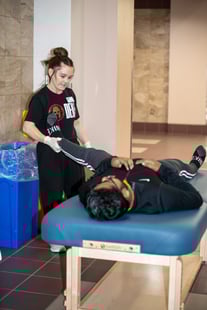
If you’re unsure where to begin, one-on-one assisted stretching is a great option. This personalized service benefits both the aging adult hoping to stay mobile and independent, and the marathon runner training for a new PR. Assisted stretching targets specific muscles without placing strain on your body, allowing for deeper, more effective, and mindful stretching.

Both of these services are valuable tools for any individual looking to improve performance, mobility, and overall quality of life.


A consistent routine of mobility, flexibility, and recovery is one of the most important investments you can make in your long-term health. NIFS offers a variety of classes and services to help you move better, feel better, and age well—no matter your fitness level.

It's not too late to participate in our Mindful November program! Be sure to complete each week’s prompt and grab a punch card. Attend your favorite yoga or stretch classes for a chance to win your own 60-minute assisted stretching session.

Topics: yoga mindfulness stretch movement

The Benefits of Mobility with Parkinson’s Disease

GettyImages-1498309984Parkinson’s Disease is a chronic neurological disorder that often causes muscle tremors, rigidity, balance issues, and loss of muscular control. For individuals living with this condition, maintaining a regular fitness routine is important—but equally important is incorporating mobility work into their daily lives. Mobility helps reduce the impact of these symptoms and supports success in both everyday activities and exercise routines.
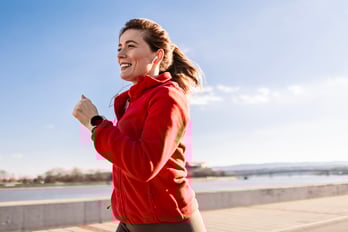
Stretching is one of the most effective ways to promote mobility. It helps lengthen tight muscles and increases the range of motion in the joints. By decreasing stiffness and improving flexibility, individuals with Parkinson’s can more easily complete daily tasks and maintain a consistent fitness routine, ultimately enhancing their overall quality of life.

There are three main types of stretching that can benefit individuals with Parkinson’s: static, dynamic, and assisted stretching.

Static and Dynamic Stretching
Static stretching involves holding a position for a period of time without movement. It’s a safe and effective way to gently increase flexibility and is an excellent starting point for many individuals. Examples include a seated hamstring stretch, a wall calf stretch, or a gentle neck stretch. These stretches can be done independently and are generally low risk, making them ideal for people with balance concerns.

Dynamic stretching, on the other hand, involves controlled movement through a range of motion. These stretches are great for warming up the muscles and preparing the body for physical activity. Examples include bodyweight squats, modified push-ups, or resistance band movements. Like static stretches, dynamic stretches can be performed independently and can help improve functional mobility.

Assisted Stretching
While self-directed stretching is important, assisted stretching can have the most significant impact on mobility and joint health. This type of stretching is performed by a certified practitioner and often involves techniques like proprioceptive neuromuscular facilitation (PNF). PNF includes cycles of contracting and relaxing muscles, which not only helps lengthen the muscles but also improves the fascia and overall joint function. Additionally, this kind of guided movement helps activate areas of the brain associated with muscle control—an important benefit for individuals with Parkinson’s.

Subscribe to our Blog

Topics: exercises mobility dynamic stretching Parkinson's Awareness

The Importance of Mobility for Runners

GettyImages-1998262539Running places significant demands on the lower body—from muscles propelling you forward to joints absorbing impact. To maintain performance and prevent injuries, a structured mobility routine is essential. Below are key pre-run activation exercises and post-run stretches to keep you moving efficiently.

Pre-Run Routine

A proper warm-up prepares your body for movement and helps prevent imbalances. Since running primarily involves forward motion, incorporating side-to-side and rotational movements improves mobility and stability.

Pendulum Leg Swings

This dynamic exercise loosens up the hips and knees while enhancing mobility.

How to do it:

  • Stand tall and hold onto a sturdy surface (e.g., a chair or dowel rod) for support.
  • Shift your weight onto one leg, lifting the opposite foot slightly off the ground.
  • Swing the elevated leg side to side in a controlled motion.
  • Perform 10-12 reps per leg for 3 sets.
Cossack Squats

Engaging muscles not typically used in straight-line running, this lateral squat improves hip mobility and balance.

How to do it:

  • Stand with your feet wider than shoulder-width apart.
  • Shift your weight to one side, bending the knee and keeping the other leg extended.
  • Keep your torso upright and core engaged as you lower.
  • Return to standing and switch sides.
  • Perform 10 reps per side for 2 sets.


Post-Run Routine

After running, focus on static stretches to release tension and promote recovery.

Forward Fold IT Band Stretch

The IT band often tightens due to repetitive motion, leading to discomfort.

How to do it:

  • Stand with one leg crossed over the other.
  • Slowly fold forward, reaching toward the ground while maintaining balance.
  • Hold for 15-20 seconds, then switch sides.
  • Repeat 2-3 times per side.
Seated Hamstring Stretch

Running shortens the hamstrings, leading to tightness. This stretch helps restore flexibility.

How to do it:

  • Sit on the ground with one leg extended at a slight angle (about 45 degrees).
  • Bend the other leg, placing the foot near your inner thigh.
  • Gently reach toward the extended leg, keeping your back straight.
  • Hold for 15-20 seconds, then switch sides.
  • Repeat 2-3 times per leg.

Incorporating these mobility exercises into your routine prepares your body for movement and aids recovery post-run. Prioritizing mobility reduces injury risk, improves efficiency, and keeps you running strong. Aim to complete this routine before and after every run for the best results!

Enhance flexibility and mobility with a personalized full-body stretch designed to target major muscle groups and specific areas of discomfort. These sessions can help improve range of motion, support injury recovery, and go beyond what self-stretching can achieve. Check out Individual Stretching with NIFS Health Fitness Specialist, Shelby Graves (sgraves@nifs.org) today!

Topics: running stretching mobility

Maximizing Your NIFS Membership: Tools to Achieve Your Fitness Goals

Training Services and Personal Guidance

D85_3494 (2)NIFS offers several services to help you take your fitness to the next level. Here’s how you can get started:
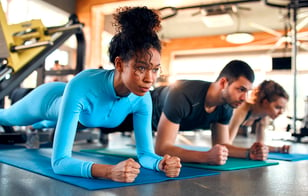
Schedule a free Strategy Session with one of our trainers to receive your free yearly BodPod and NIFS 3D scan. These assessments provide insights into your body fat percentage and measurements, helping you set realistic fitness goals. A trainer will explain your assessment results and use them to create a personalized workout program tailored to your needs. Your trainer will guide you through the initial workouts and provide ongoing accountability. After 6-8 weeks, you can update your program to stay motivated.

For one-on-one guidance, NIFS offers personal training sessions in 30- or 60-minute increments to ensure you stay on track. You can also enjoy closer guidance in a supportive group setting with Small Group and High-Intensity Interval Training, making your fitness journey more engaging and affordable.

Group Fitness Classes

Your NIFS membership includes unlimited access to our group fitness schedule! Join a variety of classes led by our expert coaches, including boxing, yoga, and Pilates. These classes cater to all fitness levels, making them perfect whether you’re discovering a new activity or enhancing your current routine. Working out in a group also adds a sense of community and extra motivation.

Specialty Training Programs

Looking to focus on a specific goal or event? Explore these exciting options:

The Mini Marathon Training Program offers a community-driven approach to race training. No matter your pace, you’ll find support to prepare for the big day. Launching in 2025, the Powerlifting Program is perfect for members who want to get stronger and master their squat, bench, and deadlift. The DEKA Training Program helps you conquer all 10 stations of this unique challenge with guidance from our training staff.

Our training staff and group fitness coaches are here to help you determine which services, classes, or programs best fit your needs. Meet with us, explore your options, and start achieving your fitness goals today!

Hope to see you soon!

Training at NIFS

Topics: NIFS group fitness NIFS programs personal training

Plank Your Way to Fitness

GettyImages-1395337483As we get into the season of gratitude, it’s the perfect time to think about how we can strengthen our bodies and minds. This November, we’re super excited to kick off the holiday season with a Planksgiving Challenge! Whether you’re a fitness pro or just starting out, planks are a fantastic way to build your core strength, improve posture, and up your overall fitness game.

Let’s chat about the benefits of adding planks to your routine and tips to make the most of your Planksgiving efforts. Get ready to boost your fitness while appreciating the strength and resilience of your body by committing to a stronger you—one plank at a time!

Why Planks?

  1. Posture and Low Back Pain Prevention: Planks are a great way to help maintain good posture and can prevent lower back pain by strengthening the core muscles.
  2. Balance and Coordination: They engage multiple muscle groups at once, which helps improve your balance and coordination, making everyday activities easier.
  3. Convenient, Total Body Exercise: Planks are super versatile! Whether you are doing a workout in a gym, at a park, or at home, planks activate multiple muscle groups at once to allow a bigger bang for your buck.

How to Work Planks into Your Routine

There are several ways to incorporate planks into your routine. For example, you can add them at the beginning of your workout as a full-body warm-up before you start. Performing three to four sets of planks before you start your workout is a great way to warm up those tiny stabilizer muscles and help you build a mind-muscle connection before performing your workout. Planks can also be added to the end of your workout as a finisher. Adding in planks at the end of a workout is a great way to strengthen your core and help build endurance in the muscle groups activated.

Sample Plank Circuit

  • Standard plank hold: 2 sets, 30 seconds each
  • Side plank hold: 2 sets, 30 seconds each side

If you’re new to planks, they can also be easily modified by dropping the knees to the ground, coming up to the hands in a high plank position or by being performed on an elevated surface such as a weight bench or box.

Make November a time to celebrate fitness, resilience, and gratitude by joining us for the Planksgiving Challenge! Whether you’re looking to strengthen your core, improve your balance, or just try something new, this challenge is for everyone. See a NIFS staff member to get started!

Contact us

Topics: exercise holidays challenge strength plank