
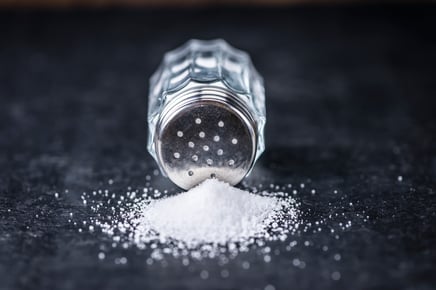
 Sodium is a mineral and electrolyte that helps balance the amount of fluid and other minerals in your body. It also plays an important role in nerve and muscle function. The terms “sodium” and “salt” are typically used interchangeably; however, sodium is a mineral and one of the chemical components found in salt (also called sodium chloride). Sodium is found naturally in some foods, and added to others for flavor or preservation.
While some sodium is necessary for the body to function (~500 mg/day), over time consuming too much sodium can have undesirable health effects. One of the most notable consequences of consuming too much sodium is high blood pressure. High blood pressure can increase your risk of heart disease and stroke, the two leading causes of death in the U.S., as well as kidney disease, loss of vision, and many more health complications.
Where Is Sodium Found in Foods?
Although most people believe their sodium intake mainly comes from salt they add to food by hand, only around 10% of the average American’s sodium intake comes from salt added while cooking or eating. Instead, more than 70% of the sodium consumed by Americans is from packaged and processed foods and food from restaurants. According to the Dietary Guidelines for Americans, the largest contributors of sodium in the American diet include sandwiches (including burgers and tacos), pasta and other grain dishes, soups, pizzas, and meat and seafood dishes.
How Much Sodium Can I Consume?
The American Heart Association recommends consuming no more than 2,300mg (1 teaspoon) of sodium per day; however, consuming less than 1,500mg is preferred, especially in those with preexisting high blood pressure. Despite these guidelines, the average adult in the U.S. consumes close to 3,400mg of sodium each day.
How Can I Reduce My Sodium Intake?
To help reduce your sodium intake and promote overall health, try some of the following suggestions:
- Compare Nutrition Facts labels of various packaged foods and choose the one with the lowest sodium content.
- Select canned foods, such as vegetables and beans, with “no salt added” or “low sodium” listed on the label.
- Use herbs, spices, and other sodium-free seasonings to add flavor to food, rather than salt and salty seasoning blends.
- Limit foods that are pickled, cured, or smoked, as these tend to be high in sodium. Foods that are grilled, poached, or roasted may be better options.
- Choose whole, unprocessed foods such as fruits, vegetables, and whole grains. These foods tend to be very low in sodium.
- Minimize the amount of salt added during cooking and at the table.
- If you currently eat a lot of salt/sodium, try gradually reducing your intake to give your taste buds time to transition.
Sodium and Exercise
The recommendation to consume less than 1,500mg per day does not apply to everyone, particularly individuals who lose excess amounts of sweat, such as competitive athletes or outdoor construction workers. Sodium and potassium are the two major electrolytes lost in sweat, although the amount lost varies from person to person. Typically, it is appropriate to replenish these electrolytes after intense exercise (typically >60 minutes) or excessive sweat loss.
When choosing electrolyte replacement drinks, select one with about 14–16g of carbohydrates and between 100 and 165mg of sodium per every 8 ounces for optimal recovery. And as always, it is important to talk with your physician or registered dietitian to determine how much sodium is appropriate for you based on your health status and other contributing factors.

This blog was written by Lindsey Recker, MS, RD, NIFS Registered Dietitian. To learn more about the NIFS bloggers, click here.
 While having a New Year’s Resolution to “lose more weight” isn’t a bad thing, it’s not easy. And depending on how much you want to lose and in what time frame, it’s not always realistic. To benefit your overall health without focusing on your weight, try setting (and sticking to) some of the following nutrition-related resolutions going into 2023.

 Did you know the human body is composed of about 50 to 60 percent water? Throughout the day, your body uses and loses fluid by way of natural body processes such as sweating, breathing, creating saliva, making and excreting urine, and having bowel movements. Losing more water than you consume can quickly lead to dehydration, which typically presents as excess thirst, headache, dizziness, weakness, digestion problems, and/or nausea. These symptoms typically resolve once you rehydrate your body.
 In today’s busy world, it’s easy to put self-care on the back burner. When there are seemingly endless deadlines at work that must be met, household chores to tackle, and a calendar that is jam-packed it can be extremely difficult to even think about taking time out for ourselves. This is why we must take just a few minutes out of our days. And, as Millennial as it may sound, we need to begin to give some love to ourselves so that we not only exist, but live life to the fullest.
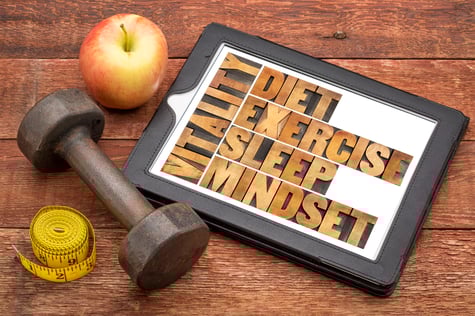 Let’s be real: a health journey is not always linear and not always easy. Sometimes it can be overwhelming and mucky. What do you do? Where do you start? What if you backslid and need to get back on track? There is so much to health, right? If you try to fix it all at once, you might become overwhelmed and at a greater risk of failure.
 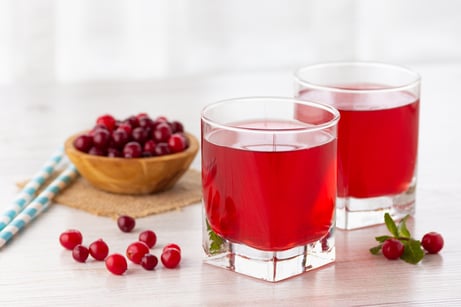 Cranberries and cranberry-derived products are commonly used as a remedy for urinary tract infections, especially among women. Cranberries contain proanthocyanidins (PACs), specifically


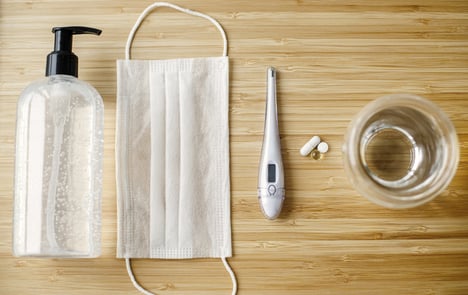 Healthcare providers and scientists are all working diligently to find ways to prevent, treat, and cure COVID-19. Many of us are eager for answers and probably getting tired of not knowing what to believe. One of the hot topics floating around is about Vitamin D’s role in preventing COVID-19. Can Vitamin D really protect us against COVID-19 or at least lessen the effects? Let’s take a look.
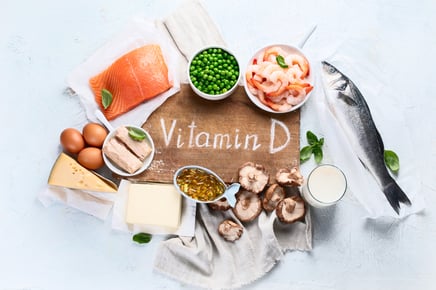 Vitamin D Recommendations
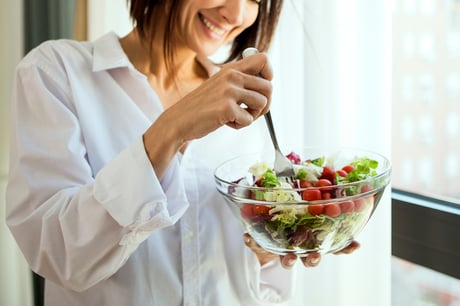 Come on. We've all heard this before—from friends, from coworkers, and possibly from our own mouths. I swear, salads are easily the most famous “diet food.” Why is that? Do we really have to eat salads to lose weight, clean out our “pipes,” or be healthy? In this blog I break down each of these claims and then talk about ways to improve your veggie game!