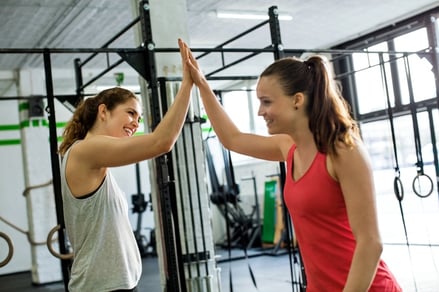
 When I discuss working out and fitness with others, one question that I normally ask is, “What are your goals?” and “What does your training look like?” Most times, there will be two responses. The first is from people who are casually exercising without a plan. If you are currently this type of person, don’t get me wrong, it’s good that you are being active, but what if I told you that there is a quicker way to achieve the results that you want?
The second response I often hear is from people who write their own programs. At times they get frustrated because they’re not seeing the results that they want. I love seeing people take the initiative to chase their fitness goals, but why leave results on the table when you have great resources at your disposal?
Three Tips for Choosing an Exercise Program
In general, here are three things I consider when I decide what programming to follow.
- Solidify your goals. I am a big proponent of writing down your goals and posting them somewhere that will constantly remind me of them. I like to post my goals on the refrigerator and on social media; this helps hold me accountable as I have a tangible reminder of my goals and the intangible support from others.
- Cross-reference available material. I make it a point to cross reference several sources or training methods to see whether a program will really add to my ability to achieve my goal. Always make sure you ask “why” you are doing something as well. Understanding the deeper meaning behind my programming motivates me to work harder, knowing that I have invested myself in something worthwhile.
- Make sure it’s FUN! I am much more likely to stick to my programming if I find it enjoyable. Myriad training styles will help you accomplish your goals, so pick the one that you will enjoy and adhere to.
NIFS and Your Fitness Goal-Setting
NIFS offers several ways to help you get a jump-start on achieving your goals. The staff members and personal trainers at NIFS are degreed individuals in the exercise science field and have a variety of certifications; they use this knowledge to program workouts that are effective and fun. With an extensive knowledge of exercise physiology and biomechanics, their ever-growing toolbox is full of ways to get you closer to your fitness goals. Having an expert by your side is always an advantage!
***
Picking a program can seem daunting at first, but when you use the right resources, you will pave your pathway to success!

This blog was written by David Martin. To learn more about the NIFS bloggers, click here.
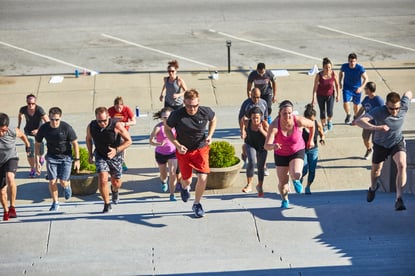 I want powerful legs! I want to increase my endurance! I want stronger and well-toned abs! I want toned arms! I don’t want to spend endless hours in the gym! Sound familiar? Chances are you have wanted these things at some point in your fitness journey. The great news is that all these are very possible to achieve, and you get them all in one stop.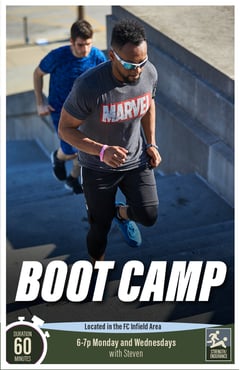
 For many adults, memories of physical education class are usually one of two greatly different experiences. For me, physical education was the highlight of my day and was never a burden or stressor in my life. For others,