
 The week leading up to Father’s Day, June 14–21, is Men’s Health Week, a time meant to raise awareness about common health issues among men and how to best prevent chronic disease through health-conscious lifestyle practices, regular wellness exams, and preventative screenings.
Bringing attention to men’s health is especially important because, despite advancements in healthcare, only about half of men get annual physicals, and less than half go to the doctor when they have a significant medical concern. This may be why men have a life expectancy that is about six years shorter and higher mortality rates from major diseases, including heart disease and certain cancers. While regular healthcare is important for detecting health issues before they become serious, establishing foundational healthy habits, including regular exercise and a healthy diet, is also essential for preventing chronic disease. Here’s how to start:
1. Engage in regular exercise.
Research consistently shows that men who are physically active are healthier, both physically and mentally, have better quality sleep, and are less likely to develop chronic diseases compared to their inactive counterparts. To see the most benefits, men should aim for at least 150 to 300 minutes of moderate-intensity activity per week, with additional health benefits seen when engaging in more than 300 minutes per week. Men should also engage in muscle-strengthening activities that involve all major muscle groups at least twice a week.
Despite the known benefits of physical activity, in 2020, only 28.3% of men met the Physical Activity Guidelines for Americans for both aerobic and muscle-strengthening activities, and that percentage only declined with age. If you’re not currently meeting these recommendations, don’t go from zero to one hundred. Start small and simple, such as by setting a goal like “walk outside once a week for 30 minutes,” and increase the frequency, duration, intensity, or type of exercise as you feel comfortable.
2. Follow a heart-healthy eating pattern
As heart disease remains one of the leading causes of death among men across the lifespan, most men would benefit from following a heart-healthy diet. A heart-healthy diet incorporates plenty of high-fiber foods, like fruits, vegetables, whole grains, and beans, along with healthy fats such as salmon and other fatty fish, nuts and seeds, and plant-based oils like olive or avocado oil, while limiting foods rich in saturated and trans fats, such as full-fat dairy products, red and processed meats, and other highly processed and/or fried foods.
This eating pattern is also thought to be anti-inflammatory, which may aid in the prevention of certain cancers and neurological and cognitive conditions, such as Parkinson’s disease or Alzheimer’s disease. Not sure where to start when incorporating more heart-healthy foods? Try swapping one or two fatty red or processed meat-based dishes (fatty cuts of beef, lamb, or pork) per week for a dish featuring fatty fish, plant-based proteins (beans or legumes), or poultry.
3. Manage mental health
They say, “If you look good, you feel good,” but it works both ways. If you neglect your mental health, your physical health is likely to suffer too, which poses a risk for men, as they are much less likely than women to seek out mental health support. Chronic stress and anxiety significantly raise the risk of developing chronic conditions by causing high blood pressure, persistent inflammation, and possible hormonal imbalances. Unmanaged stress can lead to feelings of despair and thoughts of suicide, the second leading cause of death in men under 45 in the United States.
While significant mental health concerns should always be discussed with a mental health specialist or physician, small, simple day-to-day habits can help manage minor mental health concerns by reducing stress, anxiety, and depression. Some habits to incorporate for improved mood include staying in touch with friends and family, regular exercise, maintaining a consistent sleep schedule, and spending time outside.
Men’s Health Week isn’t just about awareness — it’s about encouraging men to take action and be proactive about their health rather than reactive. Incorporating preventative strategies into your daily routine can seem overwhelming, but small steps can lead to big results over time. The choices you make today will help you live a longer, healthier, and more fulfilling life for years to come.
Tracking your progress can also be a powerful part of staying proactive about your health. At NIFS, all members receive one annual 3D Fitness Scan or BodPod assessment with their membership, helping provide valuable insight into body composition, muscle mass, and overall wellness progress as they work toward their health and fitness goals.


 Everyone knows that routine exercise benefits your heart and overall health in the long term, but what do those benefits look like? When we start exercising, we can experience benefits almost immediately, and even after months of training, our body continues to adapt. The key is to find a routine that best fits you and stick with it—because if we stop exercising, our body can lose the adaptations it made.
 We often focus on heart health strategies during waking hours—exercising regularly, staying physically active, and eating nutritious meals. For instance, aerobic exercise strengthens the cardiovascular system by enhancing the heart's efficiency. With consistent training, the heart pumps blood more effectively, leading to benefits like increased left ventricle size, stronger contractions, and greater stroke volume. Similarly, limiting foods high in calories, saturated fats, and refined sugars helps reduce harmful byproducts like cholesterol, triglycerides, and excess sugar. But what about the hours we spend sleeping? Could your sleep habits be influencing your long-term heart health?
 We all know regular exercise is great for your heart and overall health, but what does that actually mean? The truth is, the benefits of exercise can start almost immediately, and your body continues to adapt over time as you stick to your routine. The key is consistency: finding an exercise routine that works for you and maintaining it. If you stop exercising, your body can lose the adaptations it worked hard to achieve.
 We can concur with many years of research that obesity can increase the risk of immune dysfunction. This is a multifaceted phenomenon often associated with factors such as physical inactivity, poor nutritional profiles, increased adiposity (fat tissue), and metabolic disorders/diseases. Commonly, the latter can gradually progress from the aforementioned factors.
 Did you know that cardiovascular disease is one of the leading causes of death?
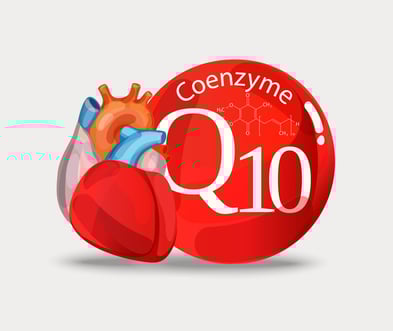 Coenzyme Q10, also known as ubiquinone, is a commonly used supplement by those with cardiovascular risks and disease, and especially those using statins. CoQ10 acts as a carrier in our cells to assist in
  How often is it that you hear someone say, “Man, that was a great night’s sleep!” or “I slept like a baby!”? Not as often as we would like to hear, I would say! Being tired and feeling sluggish seems to be the new normal. According to the
  When it comes to nutrition and your heart, the things you hear in the news can be very confusing: