
“What should I have to eat?” It’s a question most of us ask ourselves multiple times a day, and answering it so often can lead to decision fatigue, followed by impulsive and often poor or expensive food choices. But what if you only had to answer it once a day, or better yet, once a week? It’s possible with better meal planning and preparation. However, when considering meal prepping and planning, many people get overwhelmed and understandably so, as most people believe meal planning and prep involves spending an entire Sunday in the kitchen cooking 21 identical meals - 3 for each day of the week. This is not the suggested strategy, especially when getting started.
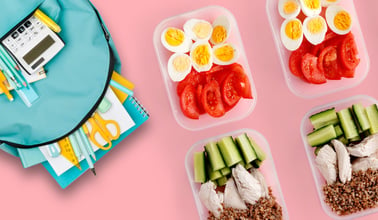 Instead, effective meal planning is about creating a simple system that reduces those day-to-day decisions while still allowing for some flexibility based on your schedule and individual needs and preferences. It’s best to start small, such as with breakfast for the entire week or with just 2 days of complete meal prep per week. Additionally, rather than preparing every single meal in advance, some have more success by preparing single ingredients or meal components that can be mixed and matched throughout the week to create a balanced meal, such as pre-cooking two or three different types of proteins, grains, and vegetables, which can be varied throughout the week based on preferences and schedule each day. Pre-cooked and no-cook staples can be kept on hand for creating quick meals in a pinch, rather than in advance. Here are some suggestions for what to keep on hand for last-minute meals:
Pre-cooked or no-cook proteins
-
Pre-cooked chicken or turkey sausage
-
Frozen lean beef, turkey or vegetarian meatballs
-
Low-sodium deli meats
-
Rotisserie chicken
-
Canned salmon/tuna/chicken
-
Precooked eggs
-
Frozen edamame
-
Single-serve or drinkable Greek yogurt
-
Protein shakes
Pre-cooked, microwavable or no-cook grains:
-
Pre-cooked rice/quinoa/pasta pouches
-
Canned beans or lentils
-
Frozen steam-in-the bag potatoes
-
Whole grain breads, tortillas, buns, bagels, crackers
-
Cereal or granola
-
Instant or overnight oats
Low prep produce
-
Pre-sliced fruits and vegetables
-
Frozen/steamable vegetables
-
Low sodium canned vegetables
-
Fruits canned in 100% juice or water
-
Salad kits
-
Frozen fruit
-
Dried fruits
Mix and match these ingredients throughout the week to keep meals from feeling repetitive. Try pairing turkey meatballs with microwavable pasta and vegetables one night, then using the same meatballs in a whole grain sub roll with a side salad another day. Canned tuna or salmon can become a quick wrap, a topping for a salad kit, or a protein addition to a grain bowl. Even a simple combination of a protein shake, whole grain toast, and pre-sliced fruit can work as a convenient meal when time is limited.
Remember, meal planning and preparation is supposed to make your life easier, not harder. The most sustainable approach is the one that works best with your individual lifestyle. Start by choosing a few staples you enjoy, preparing what you can ahead of time, and keeping convenient options available for the weeks and days when meal planning and prepping or cooking in the moment isn’t feasible, because these days will happen!
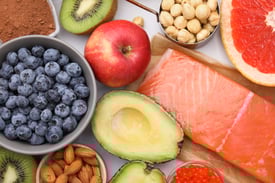 Did you know that the average American spends about $4,000–5,000 a year on fast food, dining out, and mobile orders? Now as a student that might be a little less, but if we really break down what fuel we are giving ourselves, it does not always line up with our physical goals or our financial goals. Feeling your best going into spring break usually comes from simple habits rather than drastic changes.
 Back-to-school season is a great time for a fresh start - whether you’re a student, parent, or both! However, as your schedule changes and so does the season, there are many obstacles to getting or staying on track when it comes to your nutrition, exercise and other health-related goals. From having to wake up earlier to help the kids get ready for school to having to stay up late to complete school assignments, many factors can disrupt your usual eating, sleeping, or exercising routines. To stay ahead of these disruptions, the best strategy is to have a plan. Begin thinking about how the change to your schedule may require you to adjust your eating or exercise routines. Does the start of the school year mean you will have to get up earlier to get your workout in before you see the kids off to school? Will a late-night class or evening sports practice interfere with your usual dinner routine? If so, what adjustments need to be made to help you stay on track?
 imilarly to your eating routine, consider what changes must be made to maintain your exercise goals or if your exercise goals need to be reevaluated. Ask yourself: when can I realistically fit exercise/activity into my new routine/schedule? Do I need to make adjustments to the frequency or length of my activities? Are there other ways I can be active if my schedule doesn’t allow for structured exercise? For example - park the car further away from the store/office, take 5 minute breaks periodically between assignments or work tasks to get some
 As university life picks up speed, maintaining a balanced diet can often fall by the wayside. Between classes, study sessions, and social activities, it’s easy to grab whatever is convenient. However, good nutrition is essential not only for keeping your energy levels up but also for enhancing your academic performance, supporting mental focus, and maintaining overall health. Here are some practical tips on stocking your dorm or apartment with nutritious, affordable, and convenient foods.
 Starting school can be exciting and overwhelming. Whether it is meeting new people, trying to manage a demanding class schedule, handling new responsibilities, or facing academic pressure, balancing everything can seem challenging. Many students also want to focus on their personal fitness goals but struggle to find time to manage with everything else going on. However, finding a balance between academics and health can be extremely beneficial for you, both physically and mentally. Here are some tips on how to manage both your academics and fitness goals.
 With the new school year upon us, it’s time to start thinking about “back to school” fitness. Summer was a time for adventure, vacation, trying new foods, and so much more. Although all that stuff is fun, it can get us out of a routine. As a newly graduated college student, I know how much a routine helped me stay on track for my classes. One thing I always included was exercise. Having consistent workouts is the first step toward a disciplined life.
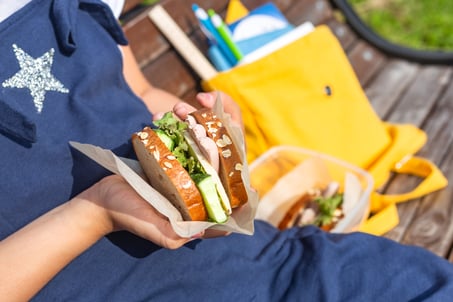 As many of us are confronted with the decision of whether to send our children back to school or continue with online learning, we are faced with many questions that we had never had to ask ourselves before. Breakfast, lunch, and often snacks are mainly consumed during these hours at school, so as we continue to see Indiana trying to return to normal and reopen, we might need to tailor our eating habits to ensure we are not risking unnecessary exposure to COVID-19 when refueling our bodies throughout the day. These ideas also work for adults who are returning to the workplace or have already returned to the workplace.
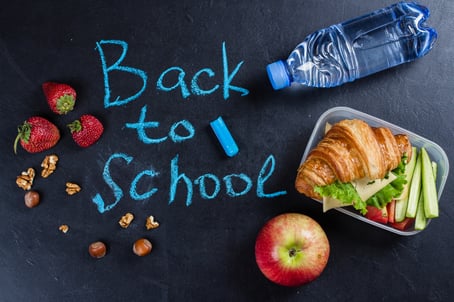 Whether you are starting your first year in college, sending your kids off to school, or are teaching classes this school year, make sure that your nutrition stays at the top of your priority list. It can be easy to get bogged down in your day-to-day routine and quickly lose sight of your goals. Follow these steps to help you stay on track this year.
 We’re not quite there yet, but it’s just around the corner. Soon the days will start to become shorter and the supermarket aisles will be full of school supplies. That routine you had down for summer is about to change because it’s back-to-school time!
 For many adults, memories of physical education class are usually one of two greatly different experiences. For me, physical education was the highlight of my day and was never a burden or stressor in my life. For others,