
 Protein was once primarily associated with fitness enthusiasts and bodybuilders. It was commonly found in supplements like powders, bars, and shakes. In recent years, however, protein has made its way into mainstream marketing, and now it can be found in nearly everything—from coffee and pasta to popcorn and even soda.
The excitement around protein isn’t unfounded. This macronutrient plays many important roles in the body. Protein helps repair and build muscle tissue, supports immune health, and can help promote feelings of fullness while stabilizing blood sugar levels. However, like most things in nutrition, balance is key. Consuming too much protein may come with some unintended consequences.
First, consuming excess amounts of any macronutrient—whether protein, carbohydrates, or fat—can lead to excessive calorie intake and potential weight gain. Even if total calorie intake stays within recommended ranges, prioritizing protein at the expense of carbohydrates and fats can create a macronutrient imbalance. Carbohydrates and fats serve as the body’s primary and preferred sources of energy, and limiting them too much may leave the body without the fuel it needs.
When adequate carbohydrates and fats are not available for energy, the body may begin converting excess protein into energy. This process produces urea as a byproduct, which must be filtered out by the liver and kidneys. Over time, excessive protein intake can place additional strain on these organs. The body also requires more water to eliminate this waste, which may increase the risk of dehydration if fluid intake is not sufficient.
So how much protein is too much?
While there is a minimum recommended daily intake for protein, there is no universally agreed-upon maximum for healthy individuals. Current dietary guidelines suggest that many adults benefit from consuming about 1.2–1.6 grams of protein per kilogram of body weight per day, depending on activity level and health goals.
For example:
- A person who weighs 150 pounds (68 kg) may aim for roughly 82–110 grams of protein per day.
- A person who weighs 200 pounds (90 kg) may aim for roughly 108–144 grams per day.
To maintain balance and allow room for carbohydrates and fats, a common rule of thumb is to keep protein intake at or below about 2 grams per kilogram of body weight per day.
For more individualized recommendations—especially for those with specific health conditions such as kidney or liver disease—consulting with a registered dietitian is the best way to determine appropriate intake levels.
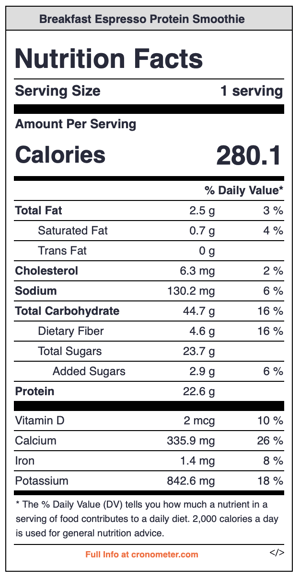
For those looking for a quick and convenient way to support their daily protein needs—especially after exercise—this high-protein shake recipe is an easy option to try:
High Protein Espresso Breakfast Shake
|
Servings: 2 serving (1 serving = ~10 oz) Ingredients: ● 1 cup cold brewed coffee ● 1.5 cups fat free or low fat milk ● 1 frozen banana ● ¼ cup raw rolled oats ● 1 scoop vanilla protein powder ● 1 tablespoon cocoa powder ● ½ teaspoon cinnamon ● 1 teaspoon honey Instructions: 1. Add all ingredients to a blender. Blend for 90-120 seconds until texture is smooth. More milk may be added if the texture is too thick. 2. Enjoy immediately or store covered in the refrigerator for up to 24 hours. |
Nutrition Facts:
|

 Satiation
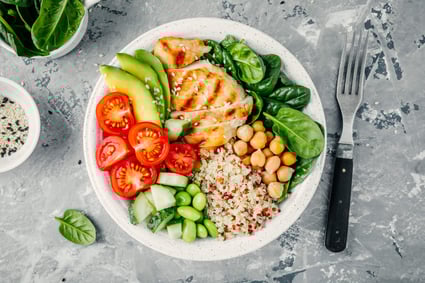 As athletes, we understand the importance of fueling our bodies properly to perform at our best. Whether you're hitting the gym regularly, training for a marathon, or simply aiming to lead a healthy lifestyle, how you balance your plate can significantly impact your energy levels, recovery, and overall well-being. That's why I'm introducing the concept of "Performance Plates" – a simple yet effective way to structure your meals based on your activity level and goals.
.jpg?width=391&height=347&name=GettyImages-1261754581(2).jpg) The Cornerstone of Nutrition: Caloric Intake
The Cornerstone of Nutrition: Caloric Intake
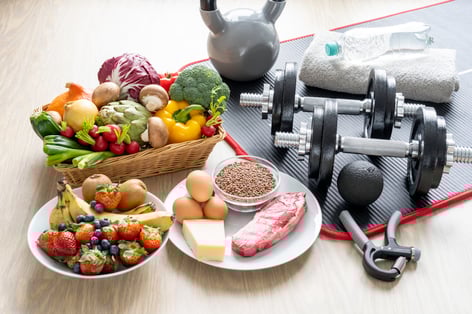 If you’ve been into fitness for a while, you likely know how important it is to fuel and replenish your body before and after exercise with the proper nutrition. However, you might be uncertain and confused about why, when, and what to eat and drink to optimize your workouts.
  1. Do make a plan to manage your stress level.
 Protein bars make a great snack when you’re short on time or don’t have a big appetite. However, these days there are so many different protein bars available to choose from that picking the right one can be difficult. Some protein bars are relatively healthy; however, many are just fancy candy bars with a lot of sugar and saturated fat, and only a few grams of protein. When picking a protein bar, here are the top five
 Do you feel like you get stuck in a rut eating the same things from week to week? On one hand it makes life a lot easier, right? You don’t have to scour through recipes, find that one illusive ingredient on the top shelf in the last aisle you looked in, or put the effort into prepping a meal that claims “30-minute prep” but in fact took you two hours. I completely understand!
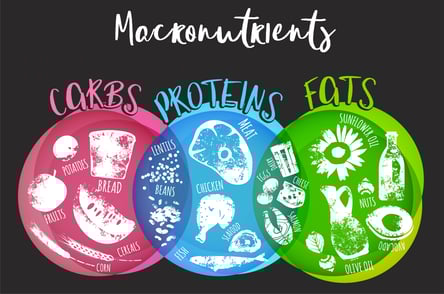 A diet that is balanced in its macronutrient distribution can help reduce the risk of disease and help with lasting weight loss. You might have heard of others tracking their “macros” and wondered if this is something that you need to do. So, why and how do you do this tracking?