
 Protein was once primarily associated with fitness enthusiasts and bodybuilders. It was commonly found in supplements like powders, bars, and shakes. In recent years, however, protein has made its way into mainstream marketing, and now it can be found in nearly everything—from coffee and pasta to popcorn and even soda.
The excitement around protein isn’t unfounded. This macronutrient plays many important roles in the body. Protein helps repair and build muscle tissue, supports immune health, and can help promote feelings of fullness while stabilizing blood sugar levels. However, like most things in nutrition, balance is key. Consuming too much protein may come with some unintended consequences.
First, consuming excess amounts of any macronutrient—whether protein, carbohydrates, or fat—can lead to excessive calorie intake and potential weight gain. Even if total calorie intake stays within recommended ranges, prioritizing protein at the expense of carbohydrates and fats can create a macronutrient imbalance. Carbohydrates and fats serve as the body’s primary and preferred sources of energy, and limiting them too much may leave the body without the fuel it needs.
When adequate carbohydrates and fats are not available for energy, the body may begin converting excess protein into energy. This process produces urea as a byproduct, which must be filtered out by the liver and kidneys. Over time, excessive protein intake can place additional strain on these organs. The body also requires more water to eliminate this waste, which may increase the risk of dehydration if fluid intake is not sufficient.
So how much protein is too much?
While there is a minimum recommended daily intake for protein, there is no universally agreed-upon maximum for healthy individuals. Current dietary guidelines suggest that many adults benefit from consuming about 1.2–1.6 grams of protein per kilogram of body weight per day, depending on activity level and health goals.
For example:
- A person who weighs 150 pounds (68 kg) may aim for roughly 82–110 grams of protein per day.
- A person who weighs 200 pounds (90 kg) may aim for roughly 108–144 grams per day.
To maintain balance and allow room for carbohydrates and fats, a common rule of thumb is to keep protein intake at or below about 2 grams per kilogram of body weight per day.
For more individualized recommendations—especially for those with specific health conditions such as kidney or liver disease—consulting with a registered dietitian is the best way to determine appropriate intake levels.
For those looking for a quick and convenient way to support their daily protein needs—especially after exercise—this high-protein shake recipe is an easy option to try:
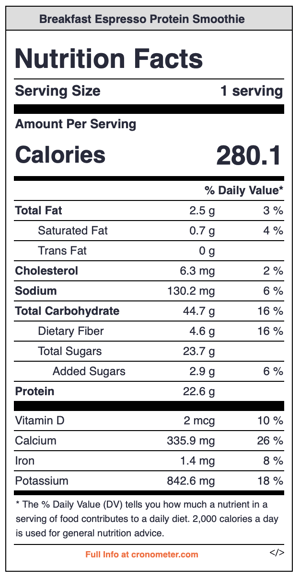
High Protein Espresso Breakfast Shake
|
Servings: 2 serving (1 serving = ~10 oz) Ingredients: ● 1 cup cold brewed coffee ● 1.5 cups fat free or low fat milk ● 1 frozen banana ● ¼ cup raw rolled oats ● 1 scoop vanilla protein powder ● 1 tablespoon cocoa powder ● ½ teaspoon cinnamon ● 1 teaspoon honey Instructions: 1. Add all ingredients to a blender. Blend for 90-120 seconds until texture is smooth. More milk may be added if the texture is too thick. 2. Enjoy immediately or store covered in the refrigerator for up to 24 hours. |
Nutrition Facts:
|
 Did you know that the average American spends about $4,000–5,000 a year on fast food, dining out, and mobile orders? Now as a student that might be a little less, but if we really break down what fuel we are giving ourselves, it does not always line up with our physical goals or our financial goals. Feeling your best going into spring break usually comes from simple habits rather than drastic changes.
 The holidays always bring a lot of fun, joy, and memories but they can also bring a lot of sugar crashes, mindless eating, and possible setbacks to our health and fitness goals. There are many reasons why trying to be mindful of what we’re eating around the holidays is important. One being energy management – you feel more energized when you take the time to include nutrient dense food alongside your favorite holiday dishes and treats. Second, you’re helping support your health and wellness goals – while enjoying yourself over the holidays is fine, making time to include foods that push us towards our goals and being more mindful of the things that could derail them is very important. Lastly, making sure to include foods with fiber and staying well hydrated will also aid in digestion and blood sugar regulation which are key components of our overall health.
 The benefits of strength training apply to individuals of all fitness levels, whether you're a professional athlete, a working adult, or an older adult looking to improve daily function and quality of life. Anyone can benefit from full-body strength training 2-3 days a week at moderate to high intensity for about 30 to 60 minutes. Here are several reasons why you should consider incorporating strength training into your weekly routine.
 Pack Portable, Balanced Snacks
 Another year is wrapping up, and you’ve made great progress toward your goals. Maybe you’ve seen improved strength, increased endurance, higher energy levels, or you’re simply feeling happier with your personal growth. Reaching our goals helps build self-efficacy — the belief in our own resources and abilities to succeed. Whether you’ve hit a new mile time, lifted heavier weights, eaten salads for lunch every day, or established a consistent sleep schedule, you’ve developed confidence in your ability to maintain these habits.
 As university life picks up speed, maintaining a balanced diet can often fall by the wayside. Between classes, study sessions, and social activities, it’s easy to grab whatever is convenient. However, good nutrition is essential not only for keeping your energy levels up but also for enhancing your academic performance, supporting mental focus, and maintaining overall health. Here are some practical tips on stocking your dorm or apartment with nutritious, affordable, and convenient foods.
 Summer is the perfect time to rejuvenate not only your spirit but also your diet. The warmer months bring an abundance of fresh produce, longer days, and a general sense of renewal, making it an ideal time to experiment with new nutritional habits. Here’s how you can make the most of summer by trying new things in your diet.
 Sometimes you might think you’re doing the right things (or at least not really wrong things) when it comes to healthy eating. But those habitual behaviors might actually cause you to consume more food and calories.
 1. Do make a plan to manage your stress level.