<img height="1" width="1" style="display:none" src="https://www.facebook.com/tr?id=424649934352787&amp;ev=PageView&amp;noscript=1">

NIFS Healthy Living Blog

Reducing Your Added Sugar Intake for Better Nutrition

ThinkstockPhotos-185151583.jpgIf you have read the news lately, I’m sure you have seen that the world’s obesity epidemic is most recently being blamed on sugar. This is with good reason, too. In 1922 the average American ate the amount of sugar found in one 12-ounce soda every five days. Now, that amount is consumed every seven hours. Sugar is in everything—not just baked goods and sodas, but also bread, peanut butter, soy sauce, and even hot dogs.

So how much should you be eating, and how do you spot what is naturally occurring, like the sugar in milk and fruit versus added sugar?

Naturally Occurring Versus Added Sugars

For the first time, the FDA is putting a number on the amount of sugar that is recommended for Americans. The goal is to keep the added sugar to no more than 10 percent of their diet. For anyone over the age of 3, that means no more than 12.5 teaspoons, or 50 grams per day.

However, if you flip over the carton of your daily Greek yogurt and see 15 grams of sugar, how much of that is added for sweetness and flavor and how much is from the lactose or milk sugar that is good for you?

Use this handy list to know how many grams are naturally occurring from either fruit sugar (fructose) in your fresh fruit, or milk sugar (lactose):

  • 1 cup milk: 13 grams
  • 6 oz. plain yogurt: 8 grams
  • Cheese, butter, sour cream, eggs: less than 2 grams
  • 1 cup fruit: 7 grams (berries) up to 17 grams (orange)

This can be confusing when just glancing at a label. In March 2014, the FDA proposed including added sugar, in grams, on food labels. Be sure to look at this new layout and be aware of your sugar intake.

How to Reduce Added Sugar in Your Diet

The easiest way to decrease the amount of added sugar in your diet is to choose more fresh foods that have not been processed or packaged. Swap the pre-made snack for a piece of fresh fruit and a handful of nuts. Take a look at your overall food consumption and find other easy swaps to help with weight loss and overall health!

***

If you are one of the 1 billion people trying to lose weight, don’t do it alone. NIFS has many options to help you reach your goals. Check out the Ramp Up to Weight Loss program and personal nutrition coaching sessions for more information.

Like what you've just read? Click here to subscribe to our blog!

This blog was written by Angie Mitchell, RD, Wellness Coordinator. To find out more about the NIFS bloggers, click here.

Topics: nutrition healthy habits weight loss healthy eating snacks artificial ingredients sugar dietitian My Nutrition Coach

Weight Loss Made Easier with Nutrition

Over 1 billion people from around the world are attempting to lose weight at any point in time. That is a BILLION! If losing weight was an easy task, that number would not be so staggering. Trying to lose weight and keep it off is challenging, so what are some ways that have been proven time and time again to be successful? Here are 5 tips to try when you want to see the scale moving in the right direction. ThinkstockPhotos-179019551.jpg

Eat breakfast daily.

The common phrase “breakfast is the most important meal of the day” isn’t false. Starting your day with a balanced breakfast has been shown to help individuals eat less throughout the day and lose weight. It helps to jump-start your metabolism and allows it to work more efficiently during the day. Aim for three food groups for a balanced meal, but anything you can grab is better than skipping.

Don’t drink your calories.

When you eat food, whether it is a banana or potato chips, your body gets a sense of fullness. However, when you drink liquids your body doesn’t experience that same feeling. Therefore, it’s very easy to drink a lot of empty calories and not realize that those calories are adding up. Some examples are regular sodas, sweetened tea or lemonade, juice drinks, and flavored coffee beverages. A typical soda has around 150 calories; therefore, eliminating one per day would equal a 15-pound weight loss over one year without changing any eating or exercise habits.

Make sure you are eating enough.

This might sound crazy to some, because if you are trying to lose weight shouldn’t you decrease your calories? This is true; however, everybody has a different metabolic rate and requires a certain amount of calories to work properly. Decreasing your calories by too much, hoping to lose weight faster, can make weight loss more challenging. The easiest way to see what your body’s resting metabolic rate is to get a BOD POD assessment (contact the NIFS track desk at 317.274.3432, ext. 262, to schedule). Another rule of thumb is to make sure you are eating at least 1,200 calories every day. The best way to know this is to start keeping track of your calories with a food diary app.

Learn your body’s hunger and fullness cues.

Not knowing or understanding how much food your body needs can be the most challenging part of weight loss. Learning your body’s hunger and fullness cues is the key to weight loss. On a scale of 1 to 10, with 1 meaning you are ravenous or starving and 10 meaning you are uncomfortably full, aim to eat a meal or a snack at a 3. At this point your body is ready for fuel but not so overly hungry that you make poor decisions or consume extra calories. Check in about halfway through the meal to see what number you are. Stop eating when you are at a 7. This guarantees you are satisfied but not overly stuffed. Knowing another meal or snack will be coming in another 3 to 4 hours is helpful. If you eat to a 9 or 10, you might not be hungry again for 8 hours!

Eat filling foods.

When you want to lose weight, the challenge can be feeling satisfied. The best way to get that feeling is to choose foods that will fill you up and keep you full, all while allowing the body to work harder to break down your foods and in turn burn more calories. These foods are high-fiber foods such as fruits, vegetables, whole grains, beans, and nuts. It also includes high-protein foods such as lean meats, low-fat dairy like Greek yogurt or string cheese, eggs, beans, and nuts. Making sure fiber and protein are included at each snack or meal means you are staying satisfied.

If you are one of the 1 billion people trying to lose weight, don’t do it alone. NIFS has many options to help you reach your goals*. Check out our Ramp Up to Weight Loss program!

*Weight loss claims and/or individual results vary and are not guaranteed.

This blog was written by Angie Scheetz, RD, Wellness Coordinator. To find out more about the NIFS bloggers, click here.


Topics: nutrition weight loss healthy eating calories NIFS programs breakfast protein BODPOD fiber assessments dietitian PNC My Nutrition Coach rmr

Using Real Food to Fuel Endurance Workouts

ThinkstockPhotos-476098644.jpgOne of my main rules of thumb when helping clients with their food and nutrition choices is to choose more real foods. So why is it that when you are training or working out for over an hour, you hear about the importance of sugary and packaged drinks, gels, and bars?

Replacing Nutrients Lost During Endurance Workouts

As you sweat and use your body’s energy stores, it is important to replace those with glucose (sugar) and electrolytes (sodium and potassium). The easiest thing to do is to grab a bottle of Gatorade or package of GU as you head out for your long walk or run. However, if you want to decrease the amount of processed and packaged foods in your diet, real food can work, too.

You need to choose a carbohydrate that is easily digestible. A quick and easy calculation to know how much you need to consume is ½ to 1 gram of carbohydrate per minute of exercise. So for a two-hour training session, you would aim for between 60 and 120 grams of carbohydrate throughout that time. The addition of the carbohydrates allows your body more readily available fuel, and therefore you can perform better and train longer.

Which Whole Foods Should You Eat for Better Performance?

So what foods can you use for marathon training or any other training that takes more than an hour? The most researched foods and easiest to digest are bananas and raisins. One banana and ¼ cup of raisins each has 30 grams of carbohydrates, while 8 ounces of Gatorade has 15 grams of carbohydrates. Other real food options are the following:
  • Medjool dates: 2 = 35 grams of carbohydrate.
  • Applesauce squeeze packets: 1 = 20 to 25 grams of carbohydrate.
  • Salted boiled potato or sweet potato: 1 =30 grams of carbohydrate. Once you cook the potato, you can put it in a plastic baggie and then tear off a corner and squeeze it out like a GU package during your workout. You can do the same thing with mashed bananas.
  • Sugary, low-fiber dry cereal: Check the label, but for Fruit Loops 1 cup = 27 grams of carbohydrate.
  • White bread with honey or jam: 1 piece with 2 TB. = 45 grams of carbohydrate.
  • Pretzels: 25 mini = 30 grams of carbohydrate.

Everyone’s body is different, and as with other training fuels, practice is key. Try out different foods and combinations to see how your body responds. Never try something new on race or competition day. Individualize your plan with foods that you like and will look forward to having during your workout.

If you are considering training for an event such as the Carmel, Geist, or Mini Marathon and need help with your nutrition plan, contact Sabrina Goshen, RD, at sgoshen@nifs.org. Or, join our Mini-Marathon Training Program

This blog was written by Angie Scheetz, Registered Dietitian. To find out more about the NIFS bloggers, click here.

Topics: nutrition healthy habits running marathon training healthy eating mini marathon endurance organic foods whole foods carbs diets

Five Steps to Begin Your Weight-Loss Journey

ThinkstockPhotos-498764272_new.jpgWeight loss tends to be one of the most controversial topics talked about, but I want to take a positive approach. With the new year right here, weight loss tops the list of many people’s New Year’s resolutions.

I would absolutely never undervalue the effort, time, energy, and commitment it takes to be successful at losing weight. Don’t let anyone lie to you; weight loss is hard and has a “whole picture” element combining exercise, clean eating, and emotional, physical and psychological battles. This is why I like to call weight loss a journey. It will not happen overnight, but I believe that everyone can succeed if they put their minds and hearts into changing their habits*.

Tips for Getting Started

I want to share five things to help you get started on your journey:

  1. Make a commitment. The first step to beginning this journey is to make a commitment that you are going to hold onto. You’ve made the decision that it’s time to make a change, and now you must make a promise to yourself that you are going to stick with it.
  2. Identify your habits. Take some time to think about what healthy habits you have that you want to keep and that will help you in your journey. What things will help you stick to your plan? For example, I am good at following a schedule, so if that habit will help me (like scheduling in my workouts so I am positive I will attend), I want to incorporate that into my plan. Then identify habits that are not helping you and think about how you are going to get those out of the way.
  3. Come up with a plan. This doesn’t have to be something that is crazy and elaborate. Start small and come up with three action steps toward a plan. It’s always easier to stick to a plan when you have one in place before you start.
  4. Find support. One of the hardest things about weight reduction is accountability. You want to be sure to find someone (family, friends, a trainer, someone else on a weight-loss journey, spouse, and so on) that you can be honest with to help keep you accountable. Much of weight-loss success comes from those supporting and encouraging someone else who is on their journey.
  5. Put your plan into action. Okay, you have decided it’s time! Now that you have your plan, do something about it. Sign up for that gym membership or a 5K you have been putting off, or try a weight-loss program—whatever will motivate you to stick to it.

It’s important to remember that there will be times when you mess up. AND THAT’S OKAY! Don’t get down on yourself; get yourself back up and keep pushing through. I hope that if losing weight is one of your goals, you will take these five steps to get you going in the right direction!

Help from NIFSRamp-up-logo-finalNO-SPACE.jpg

Check out NIFS's all new Ramp Up to Weight Loss membership to get you going. This program offers 14-weeks of workouts with one of our certified trainers, meetings with our dietician and fitness assessments to help you plan and track your progress. Click below to learn more.

*Weight loss claims and/or individual results vary and are not guaranteed.

Learn More

This blog was written by Amanda Bireline, Fitness Center Manager. To find out more about the NIFS bloggers, click here.

Topics: exercise nutrition healthy habits weight loss accountability NIFS programs goals mindset lifestyle making changes

Never Give Up: Fighting Diabetes with Exercise and Diet

Diabetes is a very familiar topic for me. Being diagnosed with Type I diabetes in my early 20s (not far removed from being a collegiate athlete) has made a huge impact on my life and how I face every day.

Always being on the active side and loving the endorphins of exercise has been both a blessing and a curse. Exercise plays a huge role in fighting diabetes, not only in prevention but also in management. Some people who have diabetes are the unlucky ones with inherited genetics, while others develop it through lifelong lifestyle habits ranging from poor nutrition to inactivity. More often than not, we can take control of this situation and overcome the effects by following the guidelines set forth by our healthcare providers and by listening to our bodies. 

Countering the Effects of Diabetes

Covering serious health topics such as heart health and foot health, the negative effects of diabetes are vast. With limited options available, we must turn to good old Mother Nature. Healthy lifestyles consisting of proper nutrition mixed with a modest yet consistent workout routine provide your body the necessary tools to cultivate and sustain some resistance to the overwhelming complications of diabetes. From this, you can see that your best friends will soon be a good gym buddy or a personal trainer to help hold your workout routine accountable, and a myfitnesspal app or a registered dietician to help hold your nutrition plan together.

The Importance of Monitoring Glucose Before Exercise

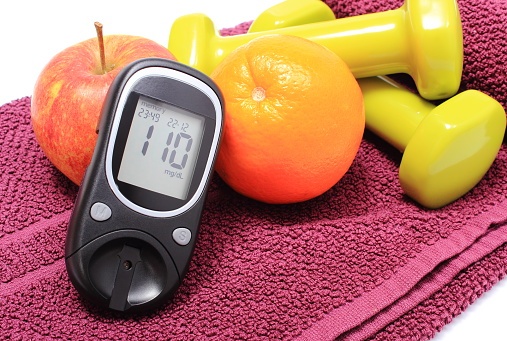
You may say, “Thomas, this blog can’t be all sunshine and rainbows.” You are correct. There are underlying factors that make simple solutions to diabetes an even steeper hill to climb. Individuals with diabetes are affected by almost every food they eat and every rep and set of exercise they push through. High and low blood glucose levels from improper insulin dosage or other medication are extremely dangerous. The only way to ensure you are ready to work out is to utilize a glucose monitor multiple times throughout the day. This includes before and after meals, before and after workout sessions, and the first thing when you wake up in the morning (fasting) and right before you go to bed. That’s a lot of little finger pokes. 

Diabetic Neuropathy

Another diabetes-related issue is called neuropathy, which is basically the desensitization of nerves in the extremities. You may be thinking, “This is great; I won’t feel pain anymore!” But what you don’t know is that now you can injure yourself without knowing and make it even worse by not addressing the issue, which can lead to irreversible damage. From this, you’ll find that your new best friends are going to be your endocrinologist and your podiatrist.

We Are Here to Help

There are many other friends that you will make along the way, ranging from your optometrist to the friendly types encouraging you to stay on the wagon. My suggestion is to let them help you. Because diabetes is a road that is nearly impassible without the help of others, you will find each helping hand not only makes the journey easier, but lets you know you are not alone in your fight. 

For more information about how NIFS can provide you with the proper atmosphere and knowledge to succeed with diabetes, contact the track desk to speak with one of our certified and degreed fitness professionals. NIFS is also proud to offer a registered dietician who can help you make informed decisions regarding your diet plan.

NEVER GIVE UP

What did you eat today? Don’t underestimate the role that proper nutrition plays in your health and fitness. Contact Angie Scheetz ascheetz@nifs.org or call 317-274-3432 to find out more about the My Nutrition Coach app

Learn MoreThis blog was written by Thomas Livengood, Health Fitness Instructor at NIFS. To find out more about the NIFS bloggers click here.

Topics: NIFS exercise nutrition Thomas' Corner diabetes disease prevention

How to Build a Nutrition-Packed Smoothie for Meals or Snacks

GettyImages-538058534_low resGettyImages-538058534_low res

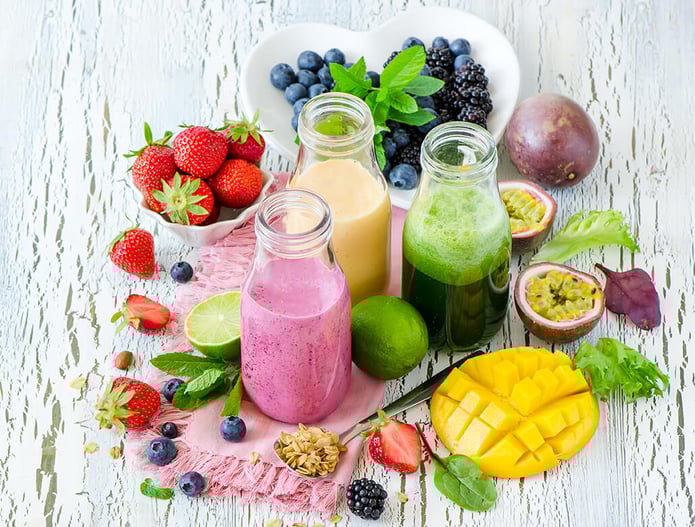
For a quick and tasty breakfast, lunch, dinner, or snacks, consider making a smoothie. This portable meal or snack can be chock-full of good-for-you antioxidants and vitamins if you make it correctly. Unfortunately, though, some of the pre-made ones are loaded with added sugar. So pull out your blender, food processor, or Vitamix, grab some ingredients, and let’s get started!

  • Produce: The most important part of the smoothie comes from the produce. The fruits or veggies you add will load up your drink with nutrients. Aim for ½ cup to 1½ cups from this group, which typically includes berries, bananas, pineapple, spinach, kale, and whatever else you have in the fridge or freezer to add!
  • Ice and/or frozen fruit: Add ½ to 1 cup to give the smoothie more thickness.
  • Liquid: Use ½ to 1 cup of milk (preferably the unsweetened variety) or water. If you are adding fruit juice, make sure it is 100% fruit and stick to ½ cup or less.
  • Protein: 2 TB. of peanut butter (or any nut butter), protein powder, or Greek yogurt will help to keep you fuller longer, so don’t forget to add this ingredient. If you decide to go with protein powder, make sure to get a basic whey protein powder that isn’t extremely high in extras or sugar (some are available with less than 2g). This powder is also a complete protein, which means you get all of the essential amino acids. Just stick to 1 scoop or 2 TB. to avoid adding extra, unnecessary calories.
  • Fiber extras: For some additional staying power in your drink, add 1 to 2 TB. of chia seeds, oats, or flaxseed. (See this blog for more info on chia seeds and other add-ins.)

If you have an older blender with dull blades and a weak motor, stick to fresh fruit vs. frozen, and blend the ice cubes gradually into the smoothie. One tip is to add your dry ingredients last to avoid them getting stuck in the bottom. If you are having trouble getting the ingredients to blend, let it sit for a few minutes so the fruit can soften or add more liquid a little bit at a time.

Now it’s time to drink up! Letting it sit for just 20 minutes might mean it will start to thicken or separate. You can store it in the fridge for up to 24 hours, but a fresh smoothie will have the best flavor and taste. Enjoy!

This blog was written by Angie Scheetz, RD, Wellness Coordinator. To find out more about the NIFS bloggers, click here.

Topics: nutrition snacks lunch breakfast protein fiber

Top 5 Nutrition Apps for Health and Wellness

ThinkstockPhotos-469002238Sometimes you need a little help when it comes to your nutrition and diet choices. Even though we think we know what to do when it comes to our diet, it can be helpful to have some extra assistance with tips, tracking, and suggestions. There are thousands of apps out there that you can easily download to your phone.

I have searched through many nutrition apps and found the top five that you should definitely use to help with accountability to your wellness and weight-loss goals.

eaTipster

eaTipster was created by the Dietitians of Canada, and it delivers daily healthy eating tips to your mobile devices. The app addresses common food and nutrition questions and concerns, and provides tips to increase healthy eating, support a healthy weight, and fight chronic disease. You can add tips to your favorites to read them later. Then you can share the tips with friends via Facebook, Twitter, email, and text. One nice perk of this app is you can set daily reminders to receive the tip at a time that fits your routine. 

MyFitnessPal

MyFitnessPal is a community-oriented site designed to help you lose weight and track fitness goals. The mobile apps let you keep these features at your fingertips wherever you are. You can input or edit your goals, enter your caloric intake (food) and output (exercise) on the go, and add new food data to the library if it doesn't already exist. There's also a progress screen that lets you track your weight and view a graphic representation of how you're doing as you work toward your goals. 

The food database includes over 5,000,000 options and is one of the few free food tracking apps that is this easy and user friendly. Due to its popularity, you can sync MyFitnessPal with other devices and apps such as FitBit, Jawbone Up, and Garmin. The recipe importer allows you to go to any recipe on the web and easily import it and track it. One of my favorite components of this app is that it tells you more than just total calories. You can easily track your sugar grams, calcium, iron, and other vitamins and minerals to guarantee you are getting your needs met.

Fooducate

Fooducate helps you shop and eat healthily by allowing you to quickly pull up nutritional information about food products from barcodes, as well as by helping you make sense of nutritional labels. Fooducate displays a letter grade from A to D, along with a quick summary of nutrition information in plain language, as well as healthy alternative suggestions. If you cook your own meals or eat out, you can also manually enter a meal's nutritional information. In addition, the app also doubles as an intake, calorie, and exercise tracker. This app easily allows you to see what extras are in foods such as added sugars, food colorings, artificial sweeteners, and more, which can be challenging to know without reading every single ingredient. 

HealthyOut

The HealthyOut Healthy Meal Finder app helps you stay on track even when you're going out or ordering delivery. The app helps users find healthy restaurant dishes and prepared grocery items nearby, and supports a wide variety of diet plans. The app comes with a wealth of diet and food filters, allowing you to filter by cuisine, ingredients, or type of dish. You can also view detailed nutritional information on each meal where available. It's a great option when you don't have the time to prepare a healthy meal of your own. The popular “Not a Salad” feature allows you to find a dish that can be just as healthy as the typical salad. HealthyOut is great if you travel a lot or just want to know the best options at your favorite neighborhood restaurant choice.

My Nutrition Coach

My Nutrition Coach is a new app launched by NIFS that allows users to record their food throughout the day and automatically build a daily profile of their diet. The app platform uses photo journaling and meal and exercise input to make tracking quick and easy. At midnight, the profile is passed to my dashboard, where I provide evaluation and feedback on that 24-hour timeline. The information is private, secure, and convenient. Members will receive an email when their daily response is ready for viewing. Users are encouraged to login to the website or app to view responses and graphs that detail their personal ratings and progress.

Your NIFS dietitian will supply you daily feedback, suggestions, and information in the form of handouts and videos based on your daily profile. All you need to do is snap a photo of your meals.

Any one of these apps are sure to help you stay on track with you fitness and nutrition goals. Download one today and get started!

***

What did you eat today? Don’t underestimate the role that proper nutrition plays in your health and fitness. Contact Angie Scheetz ascheetz@nifs.org or call 317-274-3432 to find out more about the My Nutrition Coach app. 

Learn More

This blog was written by Angie Scheetz, RD, Wellness Coordinator at NIFS. To find out more about the NIFS bloggers click here.

Topics: fitness nutrition weight loss calories accountability technology

50 Shades of Bruise: Non-Contact Contusions After a Workout

With an element of self-consciousness and a mystery to some, non-contact bruises due to exercise can cause some discomfort and become a deterrent to those who really need exercise but don’t want this side-effect. Typically occurring following an intense bout of exercise (such as a marathon), non-contact bruises appear even though the individual may not have physically injured the area.

Other types of bruises occur more often than not from some type of physical trauma. If you have experienced this exercise side effect or just are curious about the topic, we will take a closer look at the bruising phenomena simply known as a contusion.

What Causes Bruising After Exercise?ThinkstockPhotos-200380515-001

Several factors are associated with these developments, including age, experience, current medication, and genetics. Most bruises occur following a significant accident, fall, or surgery, but not always. Some bruises are caused by some underlying weakness in the blood pathways. The exercise (whether it is extensive “pounding the pavement” or “pumping the weights”) intensifies over the course of time, leading to a bruise effect. 

The bruise, usually bluish, purple, or green, is caused by small ruptures in blood capillaries that seem to develop near the recent trauma site and can be more or less serious depending on the severity of the injury. 

On a side note, people who are bruised due to being struck are only amplifying the issue by exercising. The bruise will go away slower, stay the same, or even get worse. Other issues other than bruising that come up include swelling and pain (WebMD, 2015).

How to Heal Contusions

The best remedy for a bruise is to rest the body part that is bruised. Applying a slight pressure wrap can be helpful. Normal pain management devices such as ointment and Tylenol seem to be the most common treatment for aches and discomfort. 

You can also look to a dietitian to see whether your diet is a contributing factor (MD-Health, 2015). People low in certain vitamins and minerals are more apt to the bruise effect. Your age and medications can cause blood to thin, leading to an unmerited bruise (WebMD, 2015).

If the problem persists, I would recommend calling your physician. If your physician feels that your condition is not serious, you can resume exercise when you feel comfortable doing so. Most likely, you can resume normal activity following recovery. Your bruise can just be a simple reminder that our bodies are pretty amazing machines and we need to take care of them to ensure we can continue to “pound the pavement” or “pump the weights” for a long, long time. 

Rejoice and Evolve,

Like what you've just read? Click here to subscribe to our blog!

This blog was written by Thomas Livengood, Health Fitness Instructor at NIFS. To find out more about the NIFS bloggers click here.
Topics: exercise nutrition fitness center Thomas' Corner injury prevention injuries

NIFS’s New Healthy Eating App: My Nutrition Coach

My-Nutrition-Coach-outline-no-back-1Choosing the right foods for healthy eating can be a challenge. Life is busy and sometimes the thing that gets left behind is a well-balanced meal or snack. We want to help you change that! Studies show that individuals who have to be accountable for their food choices lose more weight and keep it off than those who attempt to do it alone.
Often when you are motivated to make a weight loss change, the first thought is to cut out your favorite foods that you are worried you eat too much of. Or you start eating salads every day for lunch and dinner. 95% of people who lose weight will gain it back. The successful 5% of people learn how to eat a balanced diet that includes ALL foods!

My Nutrition Coach is a new app specifically created to help our members develop a healthy plan for food choices, while also providing consistent support to help educate and develop good lifelong habits. 

How to Use the App

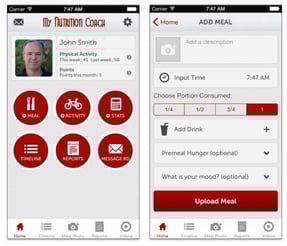
When you sit down to eat, just snap a picture of your meal. You can also add your beverage, your mood, and your hunger level. At midnight your entries will be uploaded, and the next day you will get feedback and suggestions from me, NIFS Registered Dietitian Angie Scheetz. Videos, handouts, and suggestions for how to reach your personal wellness goals will also be sent your way, giving you more resources to achieve your nutrition and fitness goals. nutrition-screen

Quick and Effective Nutrition Feedback

This program is quick and easy, and on average should take only 5 minutes per day, but the support, feedback, and resources you will receive throughout the program are equal to a personal, weekly nutrition consultation in traditional programs.

Don’t underestimate the role that proper nutrition plays in your health and fitness. If you are interested in signing up for this program or want more information, please email me at ascheetz@nifs.org or call me at 274-3432, ext. 239. I look forward to working with you!

 Learn More

This blog was written by Angie Scheetz, RD, Wellness Coordinator. To find out more about the NIFS bloggers, click here.


Topics: nutrition weight loss healthy eating NIFS programs weight management

Fabulous Farmers’ Markets Make Healthy Eating Easy and Fun

ThinkstockPhotos-460495043One of my favorite things to do once it is summer in Indiana is to visit the various farmers’ markets around town. As a dietitian I am a sucker for the fresh fruits and veggies, but I also love the homemade desserts, candles, pasta, kettle corn, fresh flowers, and other wonderful items you can find.

Here are my top five reasons why visiting your local farmers’ market is a must.

  1. Support for the local community: Since the produce is grown and purchased locally, the money remains in the community and stimulates the local economy. Also, when you shop at the farmers’ market, you are cutting out the middle man, and the product is generally less expensive than if you purchased it in the grocery store. 
  2. Eating foods that are in season: Farmers’ market produce is picked ripe and sold soon after picking. Supermarket produce, on the other hand, can take up to two weeks to travel from the farm to the store, even when it is in season. The produce tastes richer and more flavorful, and the nutrients are better retained. Check out the downtown City Market website for which products are available during the months the market is open.
  3. Healthy eating is good for you: The average American eats 4.4 servings of fruits and vegetables per day, as opposed to the current recommendations of 9 servings per day. Picking up multiple servings of fruits and veggies and incorporating them into recipes, meals, and snacks is a great way to get closer to the 9-serving-per-day-goal. This will guarantee you are meeting your recommended vitamin and mineral requirements, increasing your daily fiber intake, and acquiring cancer-fighting antioxidants, too. Locally grown produce is lower in pesticides and chemicals, also. 
  4. You can talk to the farmers who grew the food you are about to eat: You can meet the farmers who grew your food, ask when it was picked, how it was grown, and ways to prepare it. When else do you get the opportunity to learn so much about what you are putting in your mouth?
  5. There is certain to be one that fits your location and schedule: I love being able to go to the City Market farmers’ market on my lunch break downtown and sample the hot, fresh kettle corn; pick up sweet corn; and get homemade cookies on Wednesday afternoons. Saturday mornings, it’s off to the Carmel farmers’ market to purchase a walking waffle, homemade pasta, and a whole assortment of fruits and veggies for the week. To find out the location of a farmers’ market close to you, check out the USDA website.

Whether you are picking up items for dinner or for the whole week, the local farmers’ market is an inexpensive, healthy alternative to the grocery store. Try to get there early to get the best variety and options. Not all vendors accept credit cards, so be sure to have cash on hand. Finally, bring along your own reusable grocery bag to put all of your goodies in so that it is easier to carry home your fresh, delicious finds.

Like what you've just read? Click here to subscribe to our blog!

This blog was written by Angie Scheetz, RD, Wellness Coordinator. To find out more about the NIFS bloggers, click here.

Topics: nutrition healthy habits healthy eating summer clean eating organic foods