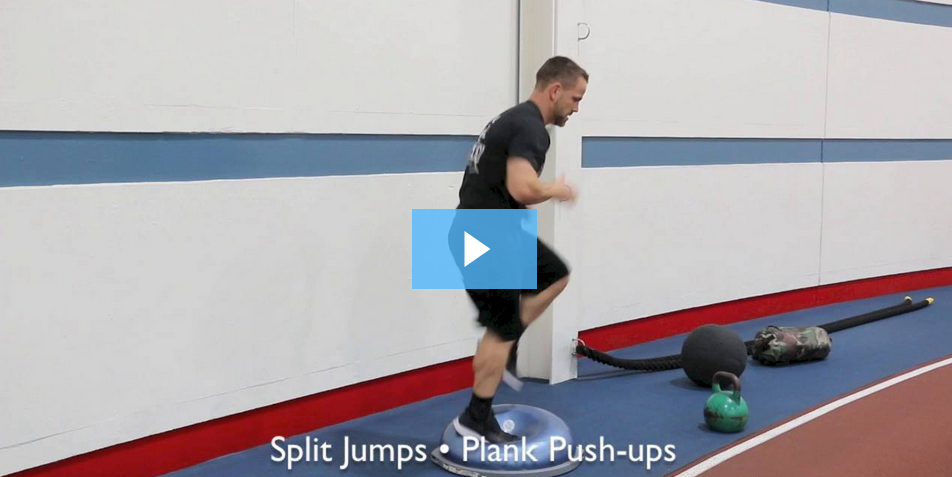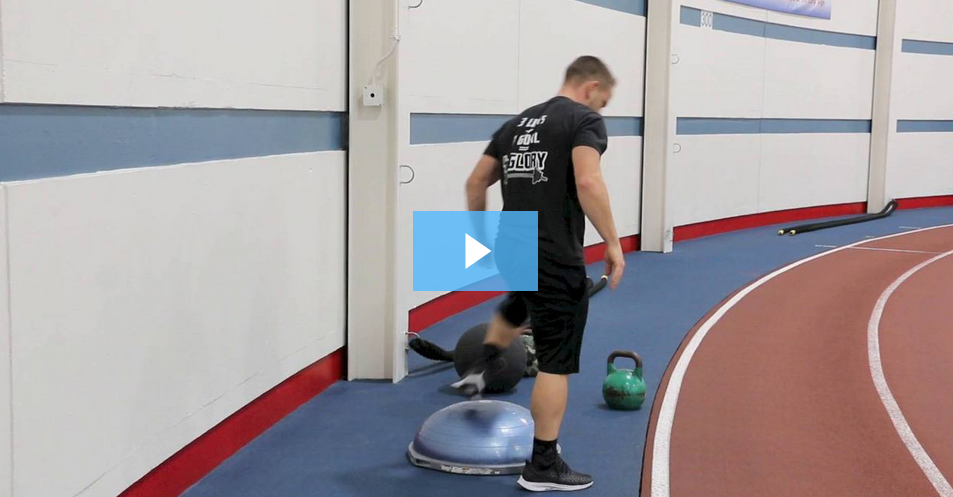
As we continue down the road of improving our basic movement patterns (which is always under construction, by the way), we take a look at the squat pattern and its variations a bit further. Many fitness pros, including myself, argue that we spend more time on one leg than we do on two. Think about it: walking, running, traveling up stairs—for varying amounts of time, you can find yourself on one leg a lot.
What Makes a Split Squat a Split Squat?
So if you are on one leg a bunch, it only makes sense that you build that position to be strong and stable, and in many different planes of motion. Let’s take a look at what makes a split squat a split squat, which is very different from the lunge but often is called by the same name (kind of a pet peeve of mine).
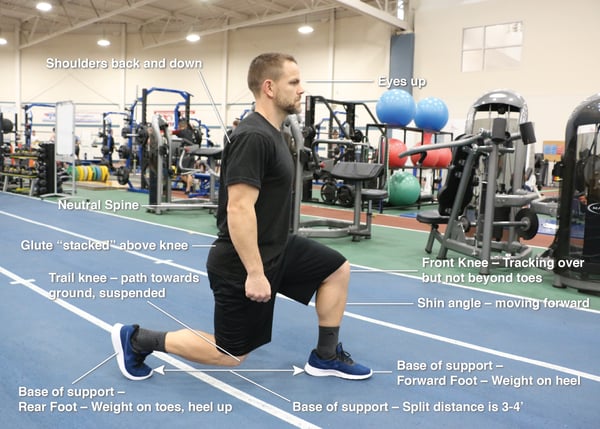
- Base of support—Forward Foot – Weight on heel
- Base of support—Rear Foot – Weight on toes, heel up
- Base of support—Split distance is 3-4’
- Shin angle—moving forward
- Front Knee – Tracking over but not beyond toes
- Trail knee – path towards ground, suspended
- Glute “stacked” above knee
- Neutral Spine
- Shoulders back and down
- Eyes up
Many of the aspects of the regular squat are found in the split. You are simply in a single-leg-supported position.
Options to Get More Out of the Split Squat
Now that you have the foundation, here are a few options you can use to get more out of this movement pattern.
- TRX Split Squat
- 2KB Split Squat—Farmer position
- 1KB RFEE Split Squat—Down position
- 2KB Split Squat-Racked position
Exercise Variations in the Frontal and Transverse Planes
Human beings need to travel in 3D. It’s important to all of us, from the athlete to the accountant. Often we train in one plane of motion, typically the sagittal plane (in the regular squat, for example, or the overhead press). But in the real world we move in more ways than straight ahead. Here are some variations that will get you in the frontal (side-to-side) and the transverse (rotational) planes.
- 3D Body Weight
- Offset KB Spit Squat
- SaB Lateral Split Squat
- SaB + KB Rot. Split Squat
The split squat is a super-important movement pattern that I feel we need to train more. As single-leg beings, mastering this pattern in multiple planes will transfer big time to the real world and allow us to move better, more often, with fewer injuries.

This blog was written by Tony Maloney, ACSM Certified Exercise Physiologist and Fitness Center Manager. To find out more about the NIFS bloggers, click here.
 Since you were young you probably have been told to eat your fruits and vegetables. Fruits and vegetables are the nutritional powerhouses of your diet. They offer essential vitamins, minerals, fiber, and phytochemicals that not only keep your body healthy, but also protect against cancer, heart disease, stroke, and other health conditions. During the winter months, fresh fruits and vegetables are more limited and generally more expensive. As a result, many of us turn to canned or frozen options. So are canned and frozen options just as healthy as the fresh produce we consume?
 Where did this year go? Whether it was the best year of your life, or you’re looking forward to a fresh start in the new year, you may likely have some health and fitness goals at the top of your list of resolutions. How do you make sure they aren’t just a pipe dream? Let’s find out!
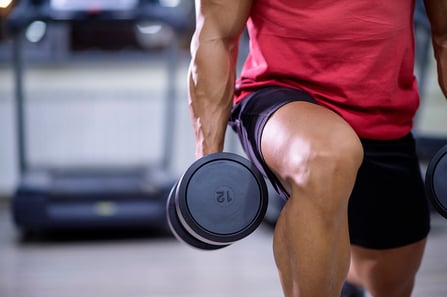 For some people, leg day at the gym is the greatest single day of the week. For others, however, there couldn’t be a more grueling and loathsome experience. We all know that leg workouts are essential to our total-body fitness plans and that there are consequences to not doing leg day, like becoming internet memes.
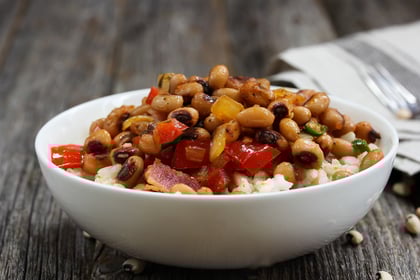 Every year on New Year’s Day my husband’s grandma makes cabbage. She says it’s good luck. I had never heard of this tradition, and then someone else told me they eat black-eyed peas for luck, also. I decided to look into it and there are actually quite a few foods that people eat every year on New Year’s Day hoping that the next year will be prosperous and lucky for them—all because of a meal they consumed on the holiday!
 Slow Cooker Pork and Sauerkraut with Apples
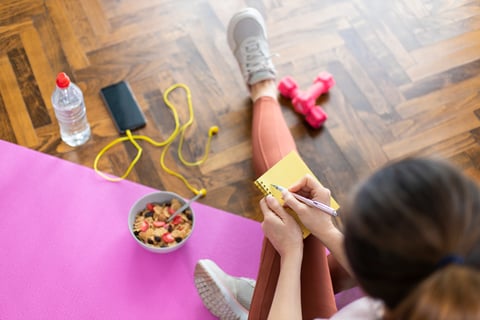 This year make an effort to change small things and create healthier habits. You'd be surprised how little changes can lead to big benefits.
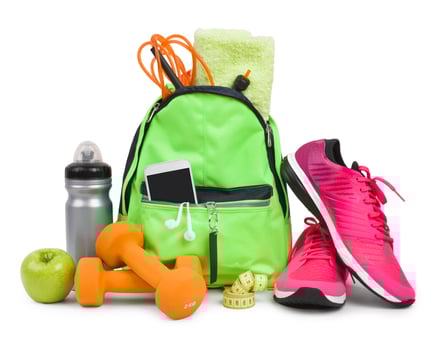 ’Tis the season for holiday traveling, holiday parties, not having as much time to hit the gym, and eating more calories than are in your average diet. Spending time with family and friends is so important over the holiday season, but taking care of your health and fitness is just as important.
 The holidays technically started on
  Think for a minute. When was the last time you intended to go to bed early only to “check your feed” one last time, then suddenly—BAM!—you have lost 30 minutes to Facebook? Or when you were talking with a friend only to be distracted by the all-too-familiar “bing” of your phone alerting you to a new message that you just had to peek at?