
 The glorious return to summer is upon us, and if you are like me, you will be spending as much time as possible soaking up sunshine as you take your leisure outdoors, take up hobbies in the yard and garden, and engage in group fitness bootcamp classes in the park. The sunshine feels good and has many benefits, including mood enhancement, vitamin D production, and even treatment for a number of skin conditions such as psoriasis and acne. There are, however, some dangers associated with extended sun exposure that can be limited with the use of sunscreen, most notably skin cancer.
Finding the Balance Between Healthy Sun Exposure and Overdoing It
After a long winter or even a rainy spring, predictably, we will want to get out and about on the very first day possible. The first exposures to the summer sun usually leave us with a surprisingly red glow, the first sunburn of the year. For some people, this sunburn is a rite of passage for the season. As I noted before, there are some dangers with overexposure to the sun that have more serious consequences than a simple sunburn. According to the Cleveland Clinic, skin cancer is the most common form of cancer, and the number of cases is on the rise. This cancer forms when prolonged exposure to the sun is accumulated over time.
The old saying “too much of a good thing” really resounds as we try to find the balance between healthy sun exposure and overdoing it. For many people, using sunscreen is a way to find a happy medium so that they can enjoy the outdoors. Scientists at Harvard have some healthy tips for those who may have reservations using sunscreen (such as developing acne and exposure to chemicals) and warn that the alternative to sunscreen usage is much, much worse. The biggest takeaway, though, is that sunscreen, by itself, will not be enough if limited prolonged overexposure to the sun is not your priority.
Tips for Staying Safe in the Sun
Here are some pointers that will take your sun safety to the next level.
- Be aware of the dangers of overexposure. There are many sources to help educate yourself about these dangers and the ways you can limit and prevent serious damage to your body.
- Sunscreen is good, but it’s not the only tool in the toolbox. You will also need sun-protective gear and clothing to stay safe.
- Use sunscreen correctly. When using sunscreen, make sure you know the specific rating and reapply regularly.
- Watch for skin changes. See your doctor if you develop any abnormal skin (always be safe, not sorry).
Prepare for Sun Exposure
Take time to treat your skin, your body, and your mind. We need sunlight to live, but we need to respect it. As we move into summer, more and more fitness classes are held outdoors. Make sure you are preparing for the sun. Ask your facility whether they provide sunscreen; NIFS provides stations at the entrances for your convenience.
If you have questions regarding health and wellness, NIFS staff members are available for consultation and can provide information regarding workout planning, fitness testing, and nutrition consultation with a registered dietitian. As always, muscleheads rejoice and evolve!

This blog was written by Thomas Livengood, NIFS Health Fitness Instructor and Personal Trainer. To learn more about the NIFS bloggers, click here.
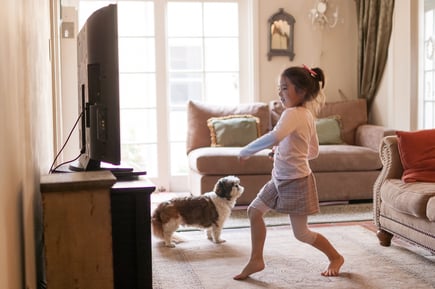 We all know that physical fitness and wellness are prerequisites for a productive and healthy life. Exercise is good not only for the body, but for the mind as well. We want to ensure a future full of great experiences. For one population, our children, participating in physical activity may be becoming more and more challenging, whether it be from lack of interest, lack of support, or lack of funding for programs in their community. One area in which this population excels, however, is technology. Without a doubt, smartphone technology is a part of our current culture and most likely will be for a long time. For some older people, this might be a newer concept. At the moment, though, ensuring the future of physical fitness for the next generation will need to coexist with technology.
  There seems to be an expectation that women are supposed to do it all and not complain. That women are supposed to be wives and mothers, work full time, juggle friendships, have a social life, have time for themselves, so on. Society is ever changing, and we are supposed to keep up with it. Let’s rewind some years ago where most women stayed at home with their children, and taking care of their household was their only responsibility.
 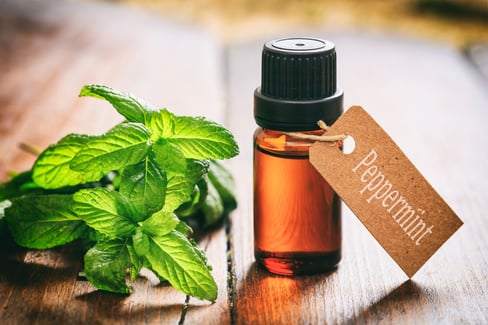 Peppermint oil is a commonly used nutrition
 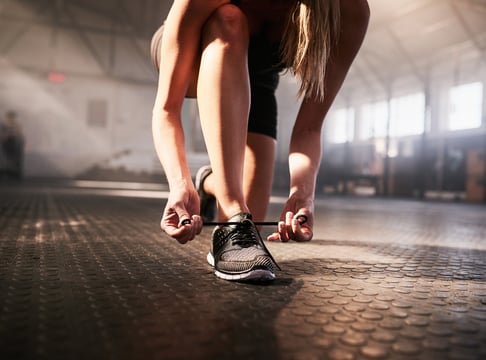 Do you remember the last time you went on an extended vacation, came back home, jumped into the gym and your favorite class and thought you could pick right back up where you left off? You might remember feeling like you were not going to make it through the class and were so sore for days on end. And that was just after a vacation consisting of a long rest, relaxation, and food freedom. Just think what you may encounter once you return to your favorite class or training group after two to three months of quarantine.
 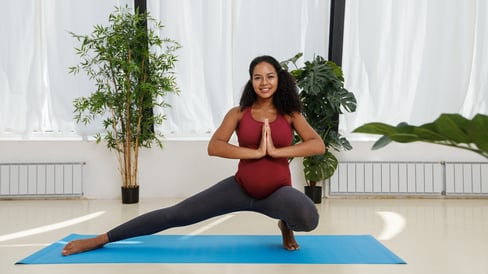 Today, the realities of the human body immediately after giving birth are less mysterious than ever, a development some attribute to a changing climate around motherhood. In the past women felt like they couldn’t talk about the after-effects of having a baby, let alone caring for other children at the same time.
  A few years ago, I made it my New Year’s Resolution to completely cut out animal products from my diet. I had played around with a couple variations of diets for a few years in college while competing in a Division 1 rowing program—cutting out all red meat, processed meats, and chicken, and only eating fish. Essentially the only things left were the eggs, milk, and cheese. I had been hesitant because cheese was my absolute favorite thing to add to every meal. I dreamed about doing a cheese and wine tour of Europe one day—I was really in love with cheese.
 Picture this: You’re sitting in the car, in stop-and-go traffic. Your mood is just shot and all you want to do is get home. Now try this: Turn up the volume on your radio and let the music take over your soul!
 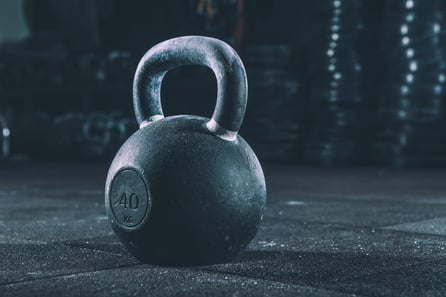 The Russian kettlebell is unique among exercise tools. It is an offset-handle weight that travels easily between the legs in a pendulum movement that can be easily seen in the kettlebell swing (two-hand and one-hand swings). If done correctly, the hips hinge straight backward as if you were trying to push a swinging door open while holding a tray. If you squat, even a little bit, there is little rearward movement and the door doesn’t open. Hip power is lost.
  These past few weeks have been trying times for not only our families and friends, but also for the athletes we engage with on a daily basis throughout the year. In our position we must stay in a lead-by-example mentality. If we let ourselves go during this time, our athletes will notice and do the exact same thing. This is definitely a time of uncertainty and there are a lot of unknowns. Controlling what we can control on a daily basis is what will help not just us personally, but also those around us, to get through and come out of this on top.