
 Every four years, the Winter Olympics shows up, and we are in awe of some of the most gifted athletes on the planet. Ice skaters gliding upon an edge like a razor blade, yet choreographed to music. Bobsledders who risk near death contently as they barrel through corners (mortals, like myself, need not apply). And the cross-country skiers boast some of the highest aerobic capacities of any athlete in the world. For the majority of us, riding down a hill on an inner tube does the trick, but that doesn’t mean we can’t infuse your workout with the tools to not only get a great workout, but dream for gold!
Looking around the fitness center, finding options to get into Olympic shape isn’t too difficult. With a little imagination, you can add these three exercises to your workout today with little or no skating, skiing, or bobsledding experience. Now get ready for the NIFS Winter Olympic Special: Going for Gold!
Helix Lateral Elliptical
If you want powerful legs, endurance, and balance, you might want to take a look at speed skating. Not unlike its summer Olympic running counterpart, speed skating requires a lot of practice. To accelerate, the skater pushes side to side, arms working to not only balance but also propel the body forward.
To simulate this motion, the Helix Lateral Elliptical allows you to safely perform the lower-body movement used in speed skating. Being able to do this exercise year round in the friendly confines of NIFS is a definite bonus. A built-in console allows you to track intensity and time. A quick Tabata (:20 on, :20 off) for 5–8 rounds can give your workout a nice lift. Be sure to try both directions!
Concept II Ski Erg
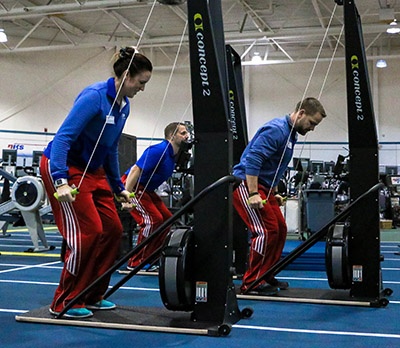 The concept of cross-country skiing for sport comes from areas in which getting around is easier and more common on skis than trudging through the snow. Out of necessity and the evolution of transportation, people in the Nordic region of Europe are now famously known for producing some of the highest VO2 Max numbers in the world. Your VO2 Max is the quantification of how efficiently your body uses oxygen when you exercise.
With that being said, how can you get similar exercise without all the snow or burden of buying skis? Concept II, the company that makes rowing machines, designed a vertical rowing machine that can simulate the upper-body cross-country skiing pattern. Like the Helix, there is a console to track your progress, intensity, and time. Once you get the hang of the Ski Erg, you can see how far you can get in 60 seconds, rest, and then do it again!
Prowler Sled Push
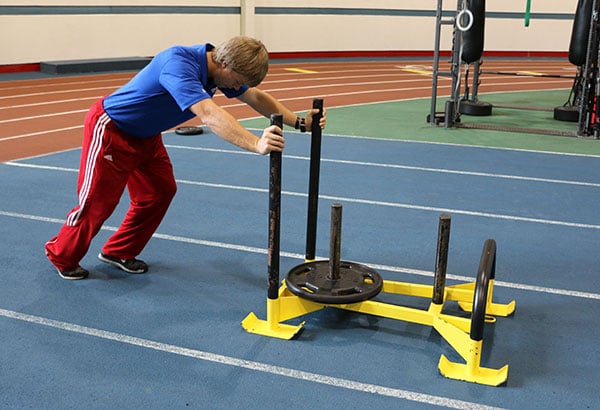 One of the most fascinating events at the winter Olympics is the bobsled. A team of individuals, working as one, propels a bobsled down a narrow, icy chute. To get the sled going, the team relies heavily on otherworldly leg strength. The rest of the event takes skill and some luck, as this is a race to the finish line. The winning team usually has a complete balance of strength, skill, balance, and weight.
The exercise you can do at NIFS that mimics this movement most closely is the Prowler Sled Push. There are many sled options to choose from, but this one allows you to start in a standing position and requires you to physically push the weighted sled (no attachments needed). This can be done in several ways: heavy weights for short distance and lighter weights for longer duration as well as sprints. For a great partner routine, relay races are a perfect way to give you and some friends exercise and breaks. Have one person push the sled, while the other two are on the “ends.” As the sled approaches, the next person takes the sled-pushing responsibility and pushes it back to the starting point. This continues until a certain distance is reached or for time. Try to mark a 30-yard distance and continue this exercise for 2–3 minutes for one set. Be sure to enjoy your rest times!
***
Whether you are looking for a new routine or really are dreaming about the Olympics, these three exercises are sure to give you a great workout. If anything, we can appreciate the hard work and dedication it takes to become an Olympian. For more fun fitness ideas, check back to the NIFS blog and social media outlets (YouTube, Instagram, Facebook, Twitter). Until next time, friends, dream big! Go for gold!

This blog was written by Thomas Livengood, Health Fitness Instructor and Personal Trainer. To read more about the NIFS bloggers, click here.
 Powerlifters
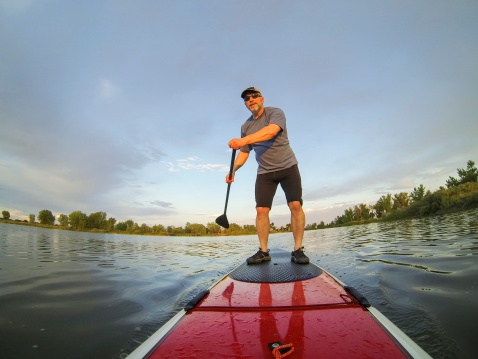 This is a great time of year to get out and do some fitness activities that you do not get to do year round, living in an Indiana climate. As the weather turns, the opportunity for some watersports becomes more realistic. While there are many different things you can do for exercise on the water like kayaking, canoeing, and swimming, my all-time favorite outdoor activity is paddleboarding. The benefits of
 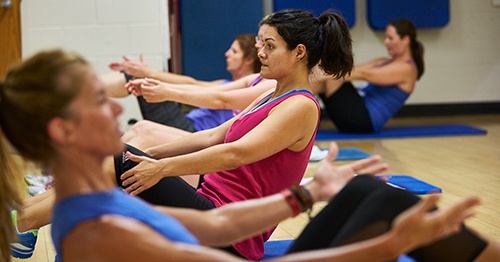 When it comes to working out, I have always been the “faster, harder, stronger, better” type. If I’m not going to sweat and feel like I’ve accomplished something, what’s the use? As such, I never put much stock in mind/body classes. What could that type of exercise possibly offer that I wasn’t getting through my intense cardio and/or strength training sessions?
 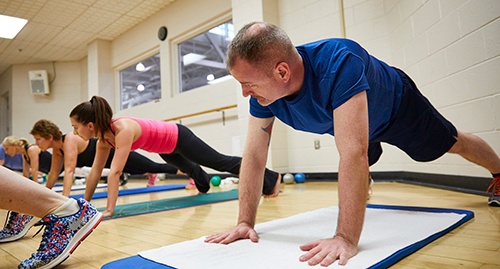 So the ultimate question is, what specifically can you expect when you walk into the NIFS Group Fitness Studio shortly before 5pm on Wednesdays? You can expect a low-impact entire-body workout that flows nonstop for 50 minutes to upbeat, current, familiar music. You can expect careful instruction on form. You can expect an occasional self-assessment on strength and flexibility. And, even though this is not a cardio class, you can expect to sweat! Mats will always be used, and often you will be instructed to grab a small piece of equipment (small weighted balls, light dumbbells, springloaded rings, small towels, and exercise bands are commonly used). Shoes are optional. Let the instructor know if you have any injuries.
 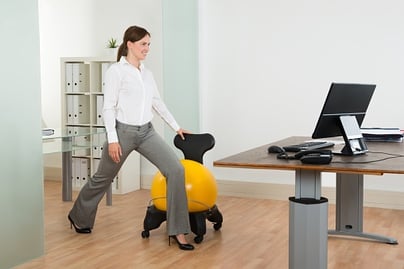 The More You Move, the Healthier You Can Be
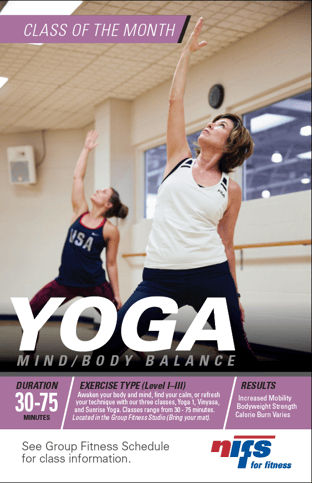
 Continuing with the Group Fitness Class of the Month series, December is upon us and we are highlighting a new class. Hopefully you had the opportunity in November to do a
  PiYo at NIFS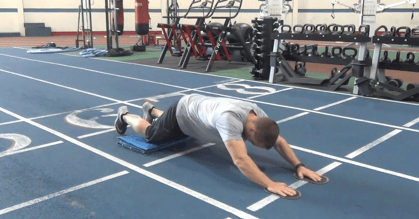
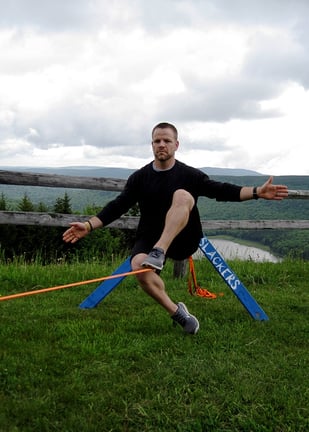 I recently attended an event that was pretty far outside my usual activity base. I consider myself a lifetime mover and a lifetime learner, but I have to admit this event had me a bit concerned about my success rate, comfort level, and quite honestly my enjoyment. After all, I was supposed to be on vacation. The event I am referring to is a rather large one called
 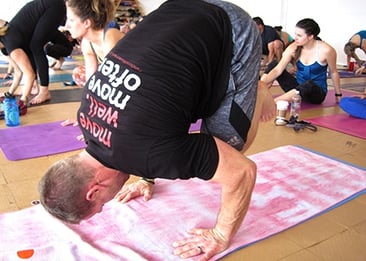 Prior to this trip to
  I am a huge believer that if there is a will, there is a way, and to always find ways to get things done. Just like the tree in the picture growing on top of a rock, it found a way to get tall and strong even though it is out of its usual environment of growing from the ground. IT FOUND A WAY. You can always find a way to eat right, exercise, get enough sleep, decrease stress; you just have to reach and work for it. There is a way; find it. This tree did, and so can you.
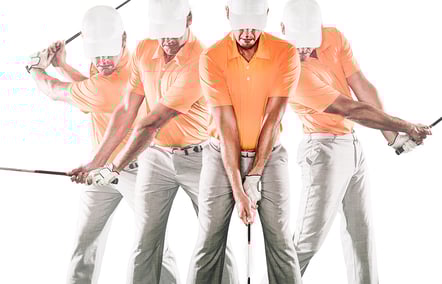 Most of us might have been lucky to get out and play a handful of times over the winter, but some might be picking up a club for the first time in almost five months or more when that first tee time rolls around. Regardless of how many times you have played in recent months, everyone can benefit from improving golf-specific fitness areas before the full-fledged season begins.
 Okay, so you may have been hearing the word “PiYo®” circulating these last few months within the world of group fitness. For those of you who feel like you do not completely know what it means or what the class entails, fear not. I guarantee you are not the only one with questions, and as a certified PiYo instructor, I would love to share a few reasons why I teach it, and the benefits that can come from practicing it.
 Surprisingly, for many of us (myself included), just using our own bodyweight for certain exercises can be challenging enough. From moves like triceps pushups, to lunges, to side planks, 140+ pounds begins to feel really heavy really quick! PiYo® takes many of these simple-to-learn yet challenging moves and combines them with aspects such as “time under tension” and dynamic pulses to keep the body moving the whole time.