
Protein is all the craze lately, and rightfully so due to its many benefits. However, many protein sources, especially animal based protein sources, can be high in nutrients that can harm the heart, specifically saturated fat, trans fats, cholesterol and sodium, if not selected carefully.
Intake of foods high in saturated fat, trans fats in cholesterol can increase LDL cholesterol levels in the blood, or the “bad” cholesterol, that is associated with heart disease. Trans fats can also lower your HDL cholesterol levels - the beneficial cholesterol that works to lower the amount of LDL/bad cholesterol in the bloodstream. Sodium, on the other hand, when consumed in excess, is associated with an increase in blood pressure, which makes the heart have to work harder to successfully pump blood throughout the body. Over time, high blood pressure can result in injury to the blood vessels, speeding up the buildup of plaque, which can lead to heart attack or stroke.
Foods high in saturated fat, trans fat, and cholesterol include fatty cuts of beef, lamb and pork; beef tallow (and foods that are fried with it); poultry with skin; full fat dairy products such as butter, cream, ice cream, and most cheeses; and “tropical” oils such as coconut oil, palm oil, and palm kernel oil. While we don’t frequently use or cook with coconut oil, palm oil, or palm kernel oil, it is used in a variety of processed and packaged foods, including some protein supplements like protein bars and shakes. Similarly, many protein-rich foods can also be high in sodium, especially processed meats like cold cuts and cured meats (deli meats, sausages, hot dogs, bacon, etc) and highly processed protein supplements and protein foods (protein crackers, protein chips, protein breads, protein pastas, etc.) which are increasing in popularity.
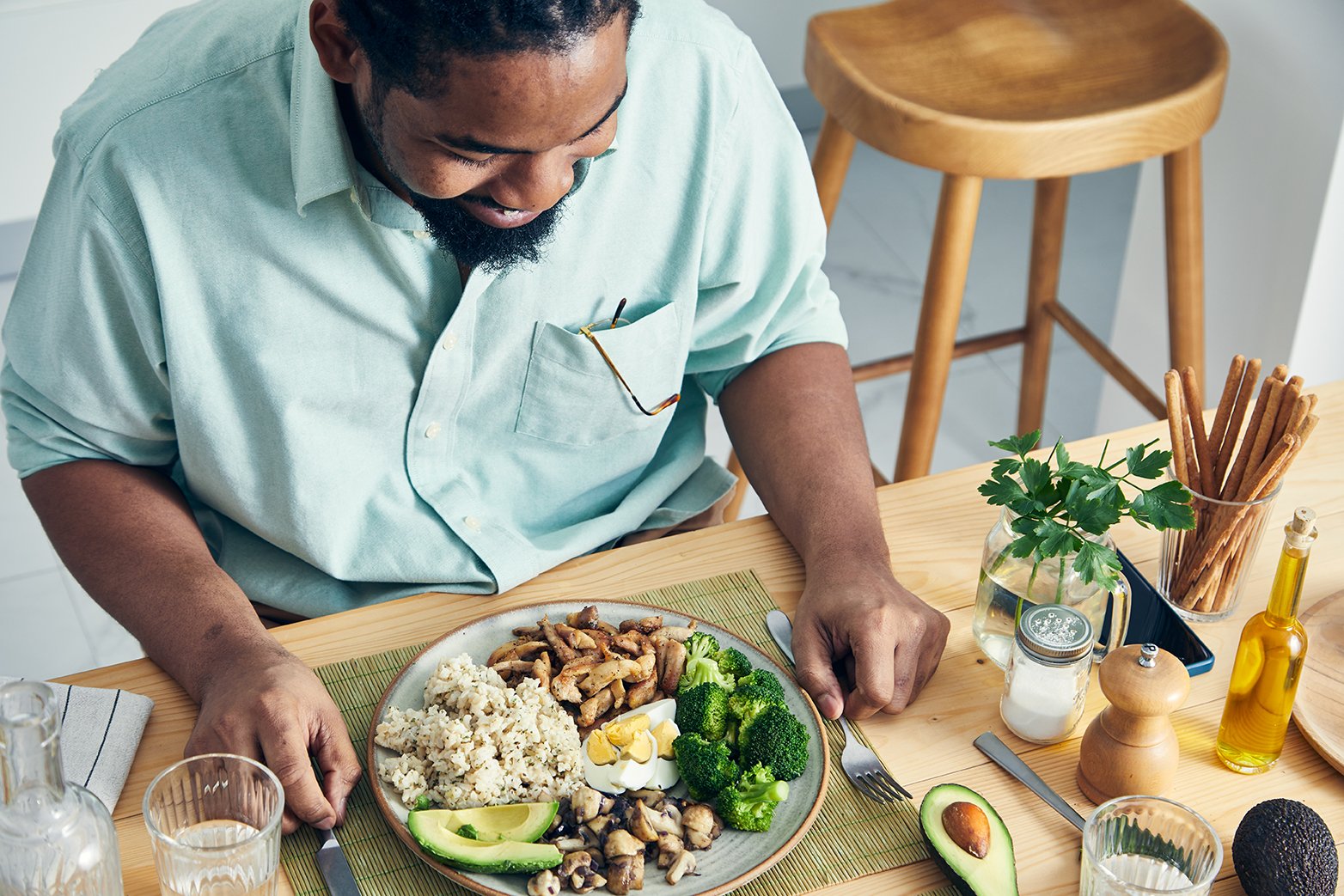
So how do you meet your protein needs while also protecting your heart health? It’s all about balance. When opting for animal based proteins, it is best to choose those that are leaner, such as “round”, “loin”, and “sirloin” cuts of red meat, skinless chicken and turkey, fish and seafood, eggs and egg whites and low fat dairy products (nonfat, 1% or 2% milk products - greek yogurt, cottage cheese, milk). Many animal based proteins are likely to still provide some saturated and trans fats and cholesterol into the diet, so it’s important to also include plant based proteins, such as tofu, tempeh, lentils and legumes, nuts, beans, and seeds. Fruits and vegetables typically provide little protein, however, they are still equally important for heart and overall health, so be sure to incorporate them alongside your protein sources at meals and snacks!
Celebrate Heart Health Month at NIFS ❤️
February is Heart Health Month at NIFS, and we’re putting your heart first with FREE Bod Pod & NIFS 3D Scans, blood pressure testing, HIIT & Burn classes, a Heart-a-thon Walk, and our Heart & Hustle Challenge.
Register for classes in the NIFS app, and earn raffle entries for every class you attend in our new Group Fitness Room 1. The more you move, the more chances you have to win—while doing something great for your heart.
Follow us on social for event updates and reminders, and stop by the Service Desk for full details.
 Feeling gratitude, or practicing it intentionally, can benefit our sense of happiness because we train our thoughts to entertain aspects of P.E.R.M.A. These thoughts serve our own greater good and connect us back to relationships, meaning, and life purpose. These thoughts are focused on things we value, regardless of the circumstances we are in.
 Ready to bring more mindfulness and gratitude into your day?
 As we get into the season of gratitude, it’s the perfect time to think about how we can strengthen our bodies and minds. This November, we’re super excited to kick off the holiday season with a Planksgiving Challenge! Whether you’re a fitness pro or just starting out, planks are a fantastic way to build your core strength, improve posture, and up your overall fitness game.
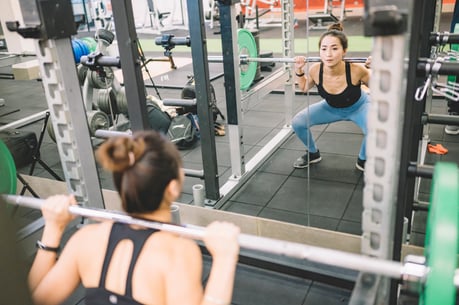
 Looking to build strength that lasts a lifetime? Squats are a foundational movement that supports health, mobility, and longevity, yet many of us overlook this natural exercise due to our modern, sedentary lifestyles. Incorporating squats into your routine can help you stay strong, flexible, and resilient as you age.
 How I Did It
 Fall is hands-down one of my favorite times of the year. There’s a crispness in the air, the leaves begin to change, there’s pumpkin-flavored everything, football season is in full swing, and there’s the return of a little phenomenon known as
 It’s time to get serious about goal setting. Setting goals can help you dig more deeply into fitness and think about what you truly want to accomplish. Goals can range from wanting to walk 1 mile to squatting 2 times your body weight, and absolutely everything in between and beyond. Everyone is on a different path to fitness, so whatever your goals may be is completely up to you.
 Greetings NIFS friends! Hopefully your New Year’s resolutions are keeping you more active at the gym and less active at the buffet line. All joking aside, getting back to the gym can be challenging, especially if you are not sure what to do when you get there or if you are burnt out on cookie-cutter workouts that are barely working anymore. With that being said, introducing new equipment, ideas, and strategies can be a daunting task. Don’t let that get you down, though, because we are here to rescue your workout!
 It’s that time of year when millions of people around the world start looking for that next “best” thing to give them the body they have always dreamed of. Aggressive physical challenges, cleanses, elaborate diets that usually involve the removal of a food source (and result in you craving it even more); people will take some drastic steps to help erase the past year of poor nutrition and lifestyle decisions.
 Not Too Easy to Quit