
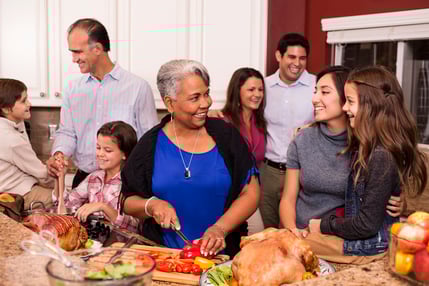
 The holidays technically started on Thanksgiving, and now the season is officially in full swing. For many of my clients, the holiday season means a variety of different things. There are office parties, celebrations with friends, and even traveling to visit family. The festivities of the holidays can be a lot of fun, but they can also be stressful, especially if you are trying to stick with a healthy eating plan and fitness regimen.
It would be easy to sit here and say that the holidays really are just three days out of the year—Thanksgiving, Christmas, and New Year’s Day—and only those three days are the days you can eat whatever you want. Right? But truth be told, it’s not so much what happens on those three days as it is what happens in between that matters most.
To help keep you on track with weight loss or weight management, I’ve created a holiday survival guide. Try these out—good health and good cheer will follow.
Office Parties
Keep the alcohol in check. Besides the added calories, you don’t want to become this year’s office party joke. Slow down when drinking by having a glass of water in between cocktails. As hard as it might be, leaving the eggnog behind and sticking with wine, beer, or drinks that are not made with juice or added sugar, is a sure-fire way to cut calories. If it becomes too hard to cut back, maybe the best idea is not even starting in the first place. Whatever your choice may be, remember to enjoy the festivities and the company of co-workers.
Getting Together with Friends
Whether it’s out to dinner or meeting at a friend’s house, good choices will keep you on track. Being mindful when ordering will set you up for success. Veggies instead of French fries? Yes, please! Fish over a hamburger? Absolutely! Water rather than soft drinks? Keep it coming! Bread? Desserts? Alcohol? Choose the one you can’t do without during this holiday season and enjoy only that one.
Traveling Out of Town
Visiting family out of town can always be tricky, but it doesn’t have to completely throw you off your game. Here are a couple of ways to help keep you on track and ensure you don’t set yourself up for failure.
- Go grocery shopping. You’ve reached your destination and realize that there isn’t any produce to be found in the house anywhere. The solution? Go shopping! Try to lighten the load of relatives who are preparing for a big family holiday get-together and offer to go grocery shopping. You will lessen the load and set yourself up for success.
- Come prepared. If your travel plans consist of driving, come prepared with your own food. Making on-the-go snacks will not only allow you to stay on track, but it will also help you avoid stopping at the drive-through or wanting to spend extra money on food when you already have some. Pack those snacks!
- Offer to cook. Along with helping to grocery shop, why not guarantee not only you, but the whole family gets a healthy meal by cooking? Prepare it just the way you would at home and it’s sure to be a hit. Here are some holiday recipes that include superfoods.
There are plenty of other tricks and tips you can use to help you survive the holidays in a healthy way, including workouts that work when you’re on the road. At the end of the day, don’t beat yourself up if you gave in to an extra cookie, or ate a little bit more than you had planned. Learn from it, move past it, and start fresh. And most important: ENJOY EVERYTHING ABOUT THE HOLIDAYS!

This blog was written by Ashley Duncan, Weight Loss Coordinator. To find out more about the NIFS bloggers, click here.
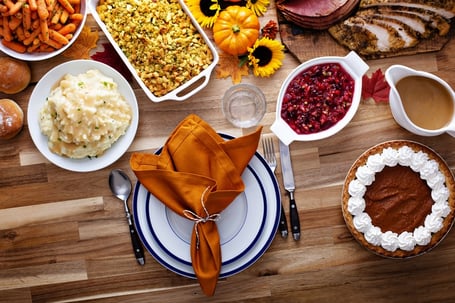 Not long from now, families all over America will be sitting down to a meal that looks back to that first Thanksgiving, in which the Pilgrims celebrated the harvest after a harsh winter. The year was 1621, and Governor William Bradford proclaimed a day of thanksgiving, which the colonists celebrated as a traditional English harvest feast.
 It’s Halloween time, and that can only mean one thing: sugar, lots of sugar! Toward the end of summer, stores start to taunt us by placing all of the Halloween candy out on display. What’s worst of all is that the candy is in tiny, easy-to-eat servings. By the time the actual day of Halloween rolls around, we’ve already been thumbing through fun-sized candy the entire month.
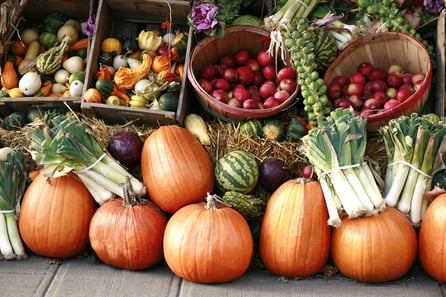 The air is crisp, football season is in full swing, and the plentiful bounty of summer’s gardens is all gone. Instead of reverting back to the frozen fruit and veggie staples that are typical of fall and winter, experiment with some of the tasty foods that give fall the name the harvest season!
 Here are some recipes for patriotic healthy eating. Bring one of these red, white, and blue creations to your Fourth of July
 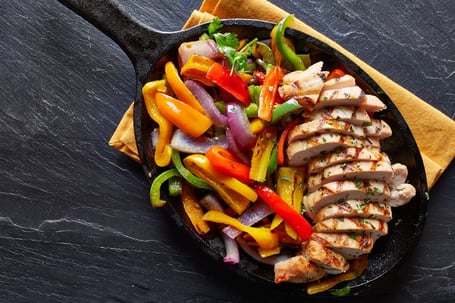 A lot of Americans see Cinco de Mayo as a reason to celebrate with all-you-can-eat chips and salsa, margaritas as big as your head, and lots of
 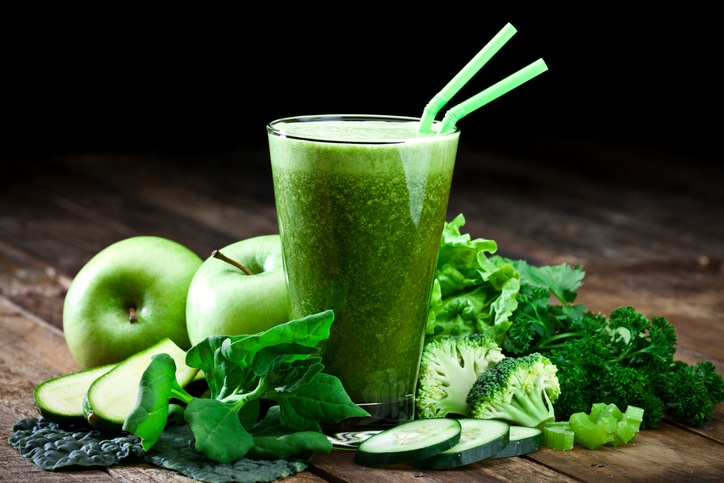 St. Patrick’s Day, the greenest of the holidays, is right around the corner. You might have your favorite lucky green shirt that you wear every year, but do you also have a favorite green dish that you eat, too? For a lot of people that might be some corned beef and cabbage, but if you aren’t a fan of that dish, want something with more balanced nutrition, or want to eat green at other meals too, try one of these healthy and tasty green recipes.
 Winter is officialy here. With temperatures getting colder and the weather conditions more temperamental, it’s important to plan ahead to stay on top of your wellness goals. Distractions are inevitable during the holidays, but anticipating them and reacting accordingly will set you apart from most individuals during this season. See our tips below to help combat being sidelined this season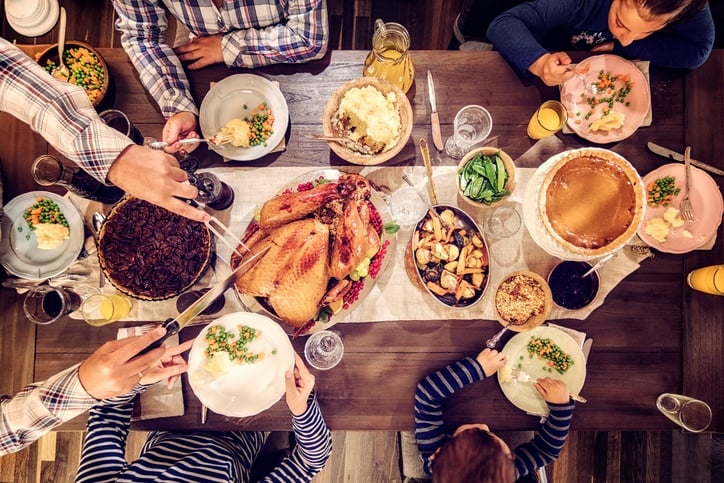
 It’s coming…the holiday season! Many people tend to give up or have the “I’ll start fresh next year” mindset when it comes to exercise around the holidays. Don’t let that be you this year! Halloween is over and before we know it Thanksgiving and Christmas will be here. Parties will start, normal schedules will be crazy, and more food will be added to your life.