 Healthcare providers and scientists are all working diligently to find ways to prevent, treat, and cure COVID-19. Many of us are eager for answers and probably getting tired of not knowing what to believe. One of the hot topics floating around is about Vitamin D’s role in preventing COVID-19. Can Vitamin D really protect us against COVID-19 or at least lessen the effects? Let’s take a look.
The Role of Vitamin D
Vitamin D serves many purposes in the body, the most commonly known purpose being assisting calcium absorption and bone mineralization for good bone health. It is less well known that Vitamin D plays an essential role in immunologic function—keeping your immune system strong. Vitamin D inhibits both B cell and T cell (lymphocyte) proliferation/rapid increase, affects T cell maturation, and facilitates the induction of T regulatory cells. It also helps regulate monocytes production of inflammatory markers and inhibits dendritic cell (DC) differentiation and maturation. All of this leads to a decreased production of inflammatory markers and an increase in anti-inflammatory markers. In short, it has an anti-inflammatory role.
Vitamin D and COVID
Now that you understand the role of Vitamin D in immune support, let’s look at the link between that and COVID-19. When healthcare providers check your Vitamin D levels, they request a lab called 25-hydroxyvitamin d. This is the circulating Vitamin D in your body. Ideally, we want to see that number be at least 30 ng/dL. In theory, having enough circulating Vitamin D should reduce complications by preventing the “cytokine storm” that providers are seeing in response to COVID-19 infection. The cytokine storm is when the level of inflammatory proteins rapidly rises to dangerously high levels. It is what leads to complications such as ARDS, myocarditis, and acute renal and heart failure, especially in those elderly patients with previous cardiovascular comorbidity. Researchers have started requesting this lab from patients with COVID-19.
Study Shows Decreased Risk for Adverse Affects
One cross-sectional study of 235 individuals showed that patients with at least 30 ng/dL had a significantly decreased risk for adverse effects, such as hypoxia (low oxygen levels), death of individuals over 40, and unconsciousness. Serum C-reactive protein (an inflammatory marker) was lower and lymphocyte percentage was higher in Vitamin D–sufficient COVID-19 patients. In the study, 67.2% of the 235 COVID patients had Vitamin D levels less than 30 ng/dL. The study saw no significant difference in hospitalization duration, ICU admissions, Acute Respiratory Distress Syndrome (ARDS), and intubation between insufficient and adequate Vitamin D levels.
Similarly, a study showed Vitamin D levels were significantly lower in COVID patients with severe symptoms than those with mild symptoms or no COVID at all. Of the symptomatic patients, 54 were admitted to the ICU due to ARDS—all of whom had lower Vitamin D levels than the patients not needing the ICU. Sadly, 19 patients died, and again they found that these patients had lower Vitamin D levels than the ones who survived.
Another Study Finds Lower Levels of Vitamin D in Hospitalized Patients
A study of 216 COVID-19 patients and 197 population-based controls saw significantly lower levels of Vitamin D in the patients hospitalized due to COVID-19 than the controls (of similar age and sex), which lines up with the previous studies. On the contrary, they did not find a relationship between severity of infection and Vitamin D levels like the other studies found.
Study Finds People with Vitamin D Deficiency More Likely to Test Positive
Another study of 489 patients found that those with Vitamin D deficiency (<20 ng/dL) were 1.77 times more likely to test positive for COVID-19 than those with sufficient Vitamin D levels. The study above by Hernandez et al supports this finding, showing that 82.2% of COVID-19 cases were deficient in Vitamin D compared to the population-based controls, where only 47.2% were deficient (which is significant).
Correlation Is Not Causation
Something to note: These studies are observational studies. Thus, we cannot determine a cause-and-effect relationship between vitamin D deficiency and COVID-19 infection outcomes. Correlation is not synonymous with causation. So, while these results are important and useful, we must be careful to not go as far as saying, “Vitamin D can protect me from COVID-19 or lessen the impact if I get sick with COVID-19.”
Further research is being conducted since we do have strong observational support that suggests low Vitamin D levels may favor respiratory dysfunction and even death in those with COVID-19. Several Randomized Control Trials are in process. Many are trialing high-dose Vitamin D in those with COVID-19, such as the registered study by University Hospital in Angers (France). One has already concluded, but it was small with only 50 hospitalized patients being given a high dose of Vitamin D (calcifediol) and 26 not given a high dose of Vitamin D. Only 1 of the 50 high-dosed patients needed ICU treatment, whereas 13 of the 26 not given Vitamin D needed ICU treatment.
 Vitamin D Recommendations
Let me be real clear: You do not need to start taking a megadose of Vitamin D! Doing so can actually lead to toxic effects because it is a fat-soluble vitamin. The goal is to prevent deficiency to help keep your immune system strong.
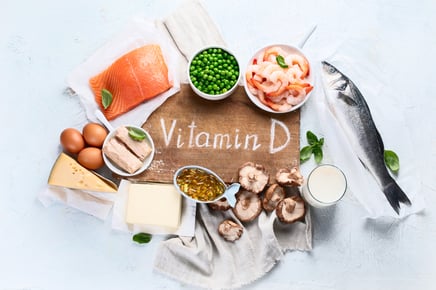
I do suggest reflecting on your Vitamin D intake and exposure. Do you get out in the sun 10–30 minutes several times weekly? Sun exposure is less common in the winter, which hints at why more people are Vitamin D deficient in the winter months. When the sun’s UV rays hit our skin, Vitamin D3 (cholecalciferol) synthesis can occur. Do you eat Vitamin D–rich sources? If not, start to add some foods that are rich in Vitamin D. This will help you reach the RDA of 600 IU for young adults under 70 years old and 800 IU for adults older than 70 years old.
Here are some Vitamin D–rich foods:
- Trout, rainbow, cooked (3 oz = 648 IU)
- Pink salmon, cooked (3 oz = 444 IU)
- Halibut, Atlantic or Pacific, cooked (3 oz = 196 IU)
- Portobello mushrooms (1/2 cup = 316 IU)
- Canned tuna (3 oz = 228 IU)
- Milk, whole, 1%, 2%, and nonfat (1 cup = 115–128 IU)
- Yogurt, various types and flavors (8 oz = 80–120 IU)
- Soy milk (1 cup = 116 IU)
- Orange juice, fortified (1 cup = 100 IU)
- Eggs (1 large = 44 IU)
If getting your RDA by eating these foods is not realistic for you, I would suggest a Vitamin D3 (cholecalciferol) supplement to help increase your intake. A Registered Dietitian can help you adapt your nutrition regimen to meet Vitamin D requirements.
Finally, speak with your healthcare provider. They can always request that your 25-hydroxyvitamin d (circulating Vitamin D in your body) lab be checked. If you’re found to be deficient, you may require larger doses for treatment.
The Bottom Line
We do have strong observational support that suggests low Vitamin D levels may favor respiratory dysfunction and even death in those with COVID-19. However, we simply do not have enough strong data to conclude that Vitamin D sufficiency can treat or prevent COVID-19 infection until Randomized Control Trials are complete.
In the meantime, the best thing to do is continue to stay healthy (or improve your health) and keep your immune systems strong, which includes eating enough Vitamin D or having adequate Vitamin D exposure.
As always, please reach out to a NIFS Registered Dietitian for any nutrition support you need.

This blog was written by Sabrina Goshen, NIFS Registered Dietitian. To learn more about the NIFS bloggers, click here.

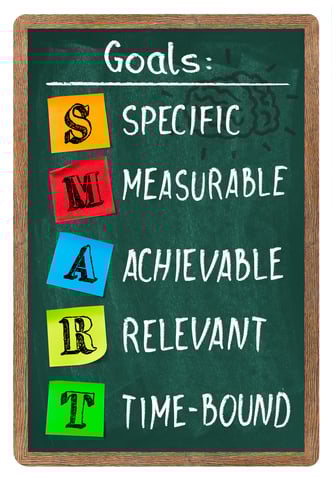 Think about some top goals you have. Maybe your top goal is to lose weight. Your weight-loss journey is what I call the “Big Picture”—your target on losing weight and starting a healthier lifestyle. Sometimes the big picture can be daunting. Many might perceive this goal as too big, or virtually unattainable. But IT IS ATTAINABLE! It just takes focus and hard work.
  With the sport of powerlifting taking off in the last couple of years, more and more people are taking up the sport as a hobby and to improve their overall fitness levels. Training to improve strength in the squat, bench, and deadlift is a great way to improve total body strength and improve body composition.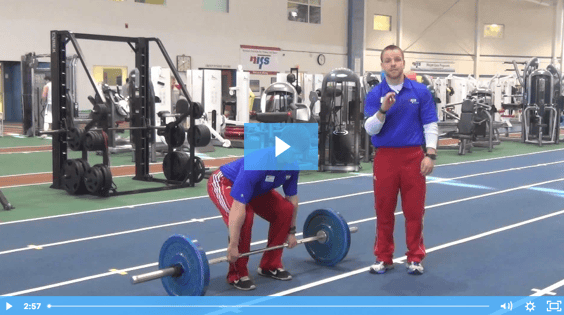
 The traditional bodybuilding split of working one muscle group per day might work for the dedicated, high-level competitive bodybuilder who makes their living in the gym. But for the general population only looking to shed some unwanted pounds and improve their overall health, the traditional bodybuilding split is not ideal. Working multiple muscle groups in the same session is much more ideal because it ramps up the body’s metabolism more than working a single muscle group each day. To achieve this, we train the movement, not the muscles.
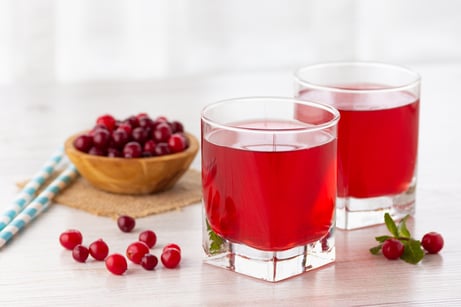 Cranberries and cranberry-derived products are commonly used as a remedy for urinary tract infections, especially among women. Cranberries contain proanthocyanidins (PACs), specifically
  Whether you’re a competitive athlete, a weekend warrior, or the casual gym-goer, addressing mobility concerns can go a long way toward performance enhancement and injury prevention. If a joint is unable to move through a complete range of motion unloaded, then it’s going to be “bad news bears” when it comes to putting that same joint under any external load. Eventually, limited mobility could lead to muscular imbalances and compensation patterns, which could ultimately lead to the onset of injury. In other words, you can’t look to build strength on top of dysfunction.




 I don’t know about you, but often during the holidays it just seems easy to blow off your daily workout. You have done well up to this point, staying committed and getting yourself into the gym or out for a run. But with the dark evenings, busy work schedule, and possibly some travel, it tends to be the first thing to take off the list. It’s important for your body to take a break, but if you need some tips on how to keep yourself going, keep reading!
 If your looking for a new challenge in the new year consider registering for the
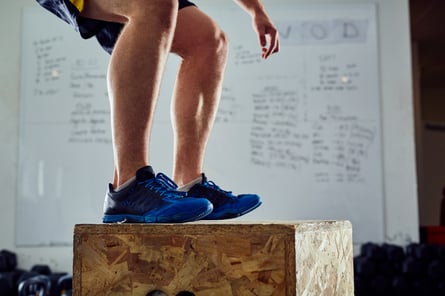 As an athlete there is no substitute for the ability to produce power and be explosive during your sport. From competitive weightlifters and NFL-caliber football players to distance runners, producing (and absorbing) high impacts is crucial for succeeding in your sport as well as staying healthy throughout your competition season. Are you incorporating any of these exercises into your current program?