
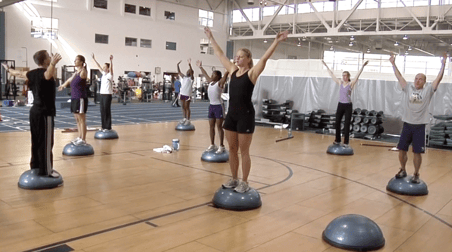
 Imagine a tightrope walker, gracefully walking their path across their suspended highwire. An incredible amount of balance is required, along with stability and strength, to ensure that the performer maintains their position on the rope. Now think about balance as it applies to you and your profession or daily life. You might not even think about it, but you use balance every day. Things that you take for granted, such as walking down stairs, putting on a pair of pants, and getting out of your car require some level of balance, or else we would most likely take a tumble. Thankfully, there are exercises and routines designed to improve and train balance that transfer nicely to daily life.
As with any limitation or injuries, be careful and mindful of the doctor’s recommendations. Loss of balance could be a sign that you need to be checked out by your physician. That being said, we know that exercise can be great, but we would regard and yield to the utmost safety when approaching anyone who may be at risk or falling due to balance issues.
If you have come to the conclusion that your balance needs help, there is good news for you! Like most facets of life, balance can be improved. The answer to a question as simple as, “If you want to run a 5K in 20 minutes, what would you do?” is RUN! So, if you want to get better balance, what should you do? Practice balancing. You do not have to walk a tightrope on day one, but there are many exercises and fitness tools designed to help your balance improve.
Balance Exercises
Try the following exercises and activities, and see how you do with balance, then incorporate them into your routine. Assess your balance from time to time to see how you have improved.
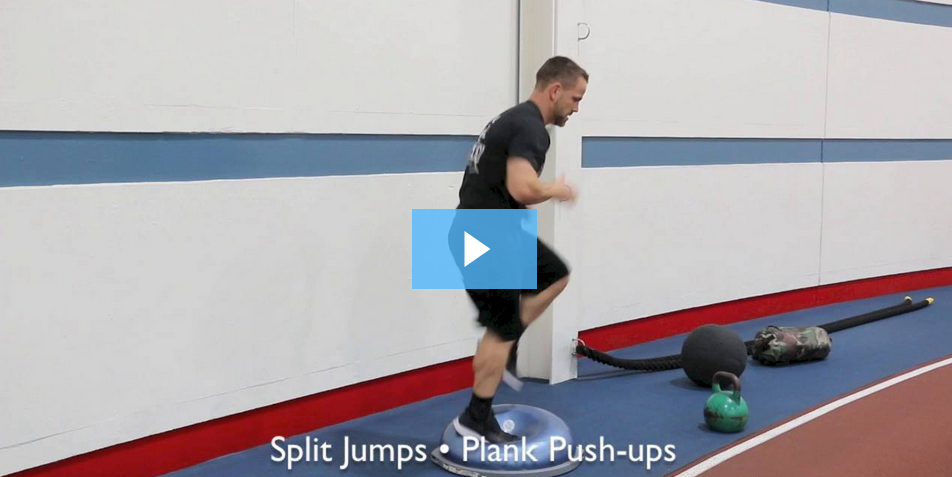
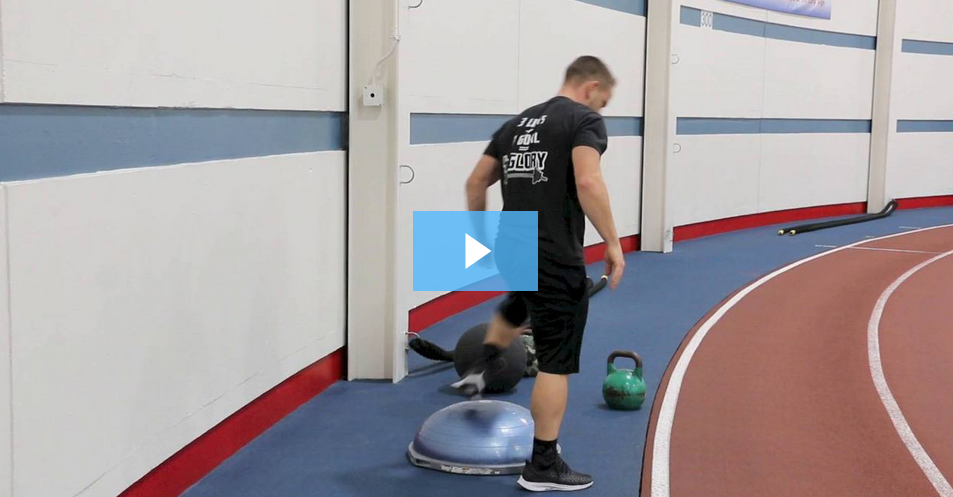
- Stand on an unstable surface. Using an AirEx Pad, time yourself standing on one foot. Other exercises can be done while standing on the pad such as lunges, squats, and dumbbell overhead press, utilizing the unstable surface to challenge your balancing ability. Other unstable surfaces you may use as you advance include the BOSU ball, half foam roller, and sand.
- Try unilateral exercises. Improving your leg strength through unilateral exercise is another great way to improve your balance. Some examples of these exercises include lunges, split squats, and my personal favorite, the single-leg sit and stand on a box. For this exercise, you will want to find a box that is the appropriate height (around chair height). Start from a seated position, then come to a complete stand using only one leg. Try to sit back down onto the box under complete control. This can be progressed with weights and movement patterns such as the overhead press.
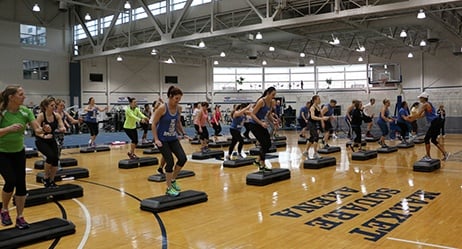
- Join a group fitness class. Another way to improve balance is through group fitness classes. NIFS offers several classes that emphasize balance, such as BOSU conditioning and some that help you develop balance such as yoga and BODYCOMBAT. As stated above, the more you practice your balance, the better chance you have to improve it. In BOSU conditioning, we can progress and regress any exercise to fit your needs. The exercise doesn’t have to be impossible, but it should be challenging.
Improve Your Quality of Life
With the improvement of balance comes an overall improvement in your quality of life. Being able to trust your steps as you walk is important, as is being able to do things in life you love to do. Getting better is just a process and takes time. You must take that step forward; otherwise, you might be on shaky ground. For tips and exercises to promote balance, contact a Fitness Specialist at NIFS or join one of our many group fitness classes.

This blog was written by Thomas Livengood, NIFS Health Fitness Instructor and Personal Trainer. To read more about the other NIFS bloggers, click here.
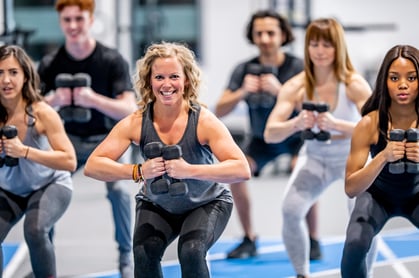 How do you define fitness? Whatever your answer is, it will shape the way you work out, influence the goals you set, and impact your long-term health. Although everyone might have different perceptions of what “fitness” means, the American College of Sports Medicine has defined what
 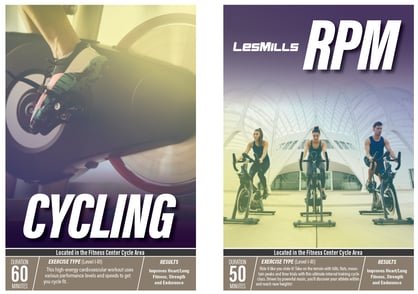 Cycling is becoming one of the most popular trends in group fitness. Not only is it a great class to take for the cardio benefits and calorie burn, cycling is a great resistance-based workout that can also increase strength. Many cycling classes are tracked in two ways, by
  Whether you are 18 or 80, man or woman, looking to lose weight or simply maintain,
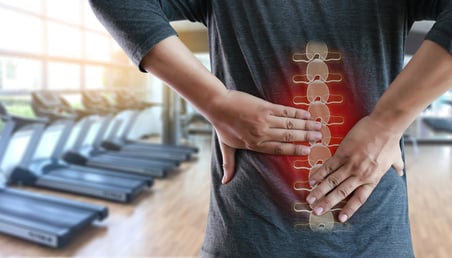 With millions of people around the world suffering from back pain, is there any hope for relief outside of traditional methods? Low back pain can be excruciating and immobilizing, but there is still hope. When dealing with any pain or injury, exercising might be the last thing that crosses your mind, especially if it’s chronic low back pain (CLBP). However, that’s exactly what is recommended and what can help.
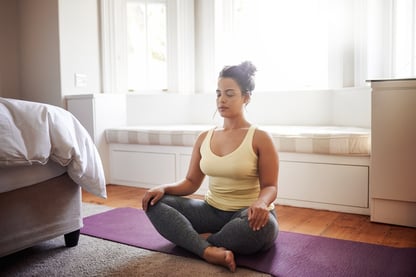 Getting healthy and losing weight go hand in hand. If your goal is to get healthy and lose weight, I need you to RELAX! No, really! Relaxing is good for you, and managing stress effectively doesn’t only help with weight loss; it makes us healthier overall. So sit back, relax, and read on for more tips.
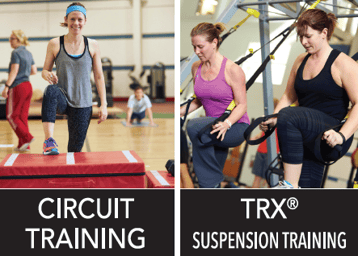
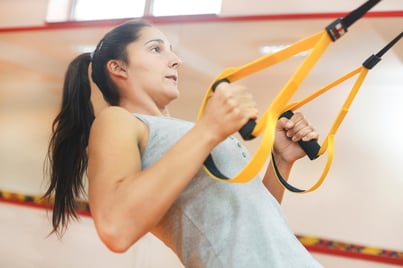 Have you tried TRX class at NIFS? For starters, you may be asking yourself, “What is a trx?” TRX is a body-weight suspension training system designed to give you a total-body workout, while playing to your skill set and allowing for nearly limitless body-weight–oriented exercise. TRX can provide a fitness beginner with an opportunity to learn movement patterns properly as well as challenge the most seasoned veterans in the gym with more advanced progressions.
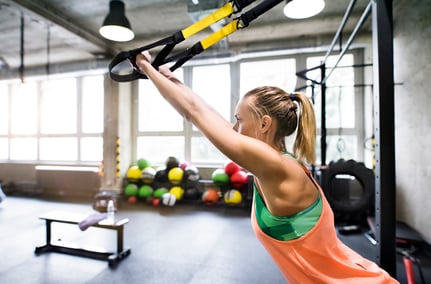 TRX Row: With two handles set to the short length (one tick mark), start with arms long and body in a plank position, being mindful that you do not let your hips sag. While under control, pull yourself up to your hands. Lower back down under control. PRO TIP: You can pull with your hands parallel to the floor to engage the lats more, whereas pulling with your hands horizontal to the floor works the rear deltoids and trapezius. (See video
  Group Fitness
 Specialty Classes are Included in NIFS Group Fitness Schedule